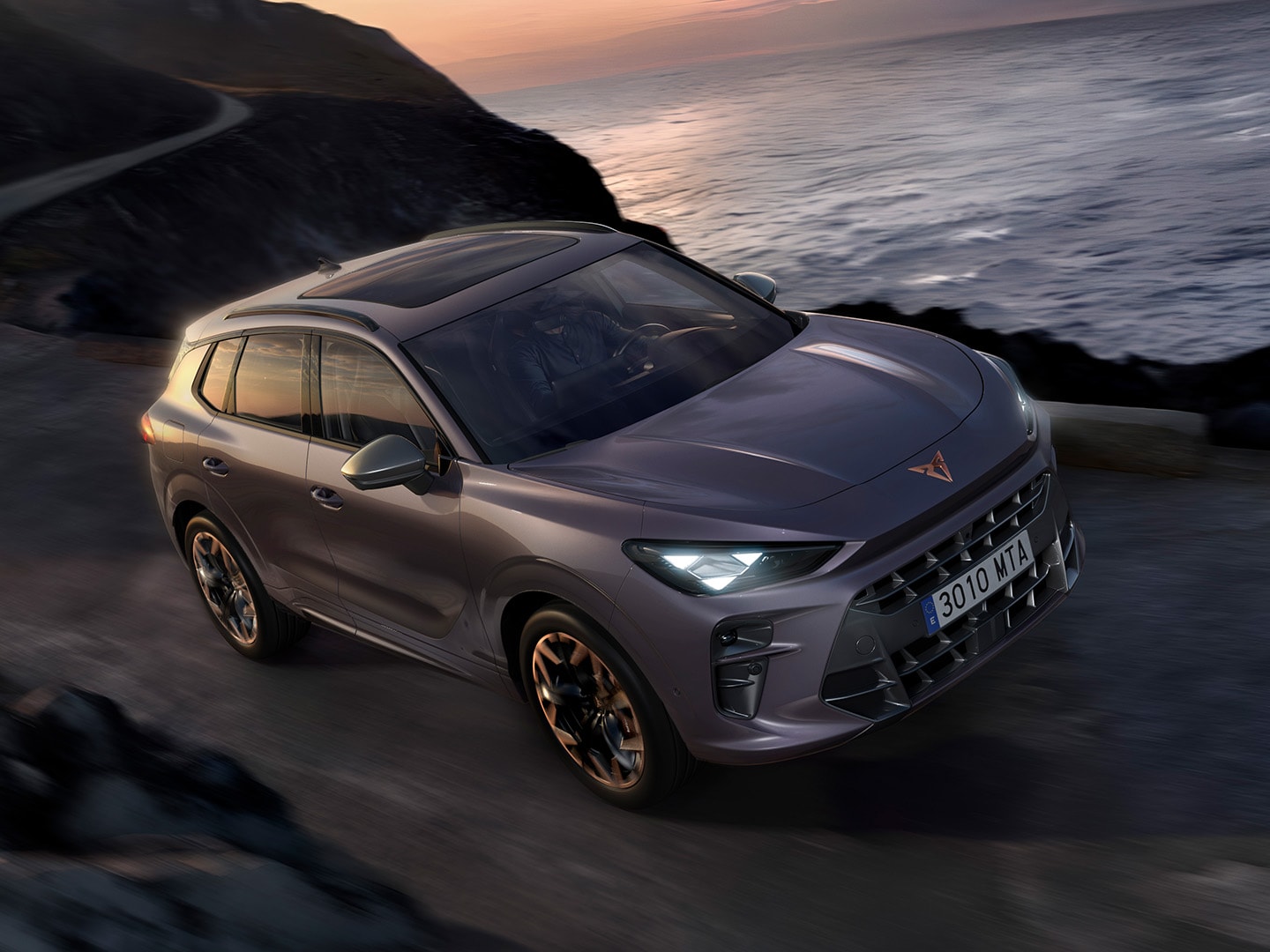
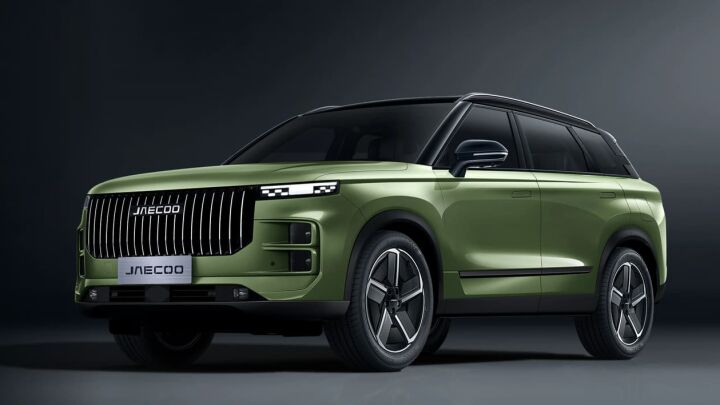
The second-generation MG HS Plug-in Hybrid is one of the easier PHEVs to justify because its 24.7kWh battery gives up to 75 miles of official electric range, which is enough to cover many normal daily routines without using petrol at all. The catch is simple: it only makes sense if you actually plug it in.
The reason I find the HS more interesting than a lot of plug-in hybrids is that the battery is large enough to change how the car can genuinely be used. A PHEV with 25 or 30 electric miles can feel like a compromise requiring constant charging, whereas 75 official miles gives many households the possibility of doing several days of commuting and local journeys almost entirely on electricity before using petrol for a longer trip.
Design and first impressions
The second-generation HS looks much more mature than the car it replaced, with cleaner proportions, a broader stance and fewer of the visual cues that once made MG's cheaper SUVs feel obviously budget-focused. It is still conventional rather than dramatic, but that suits a family car designed to appeal on value and practicality.
The body grew to 4,670mm in PHEV form, which gives the car more presence but also improves passenger and luggage space. It feels like a proper mid-size family SUV rather than something straddling two classes.
Inside the cabin
The interior is a noticeable step forward, with twin digital displays, a cleaner dashboard and a more cohesive design than the previous HS. MG continues to give buyers plenty of standard equipment, which helps the cabin feel more expensive than the list price might suggest.
I would still judge it on usability rather than screen count. Seat comfort, visibility, climate controls and the behaviour of the assistance systems will matter much more after a few months than how impressive the dashboard looks on collection day.
Space and practicality
MG quoted a 507-litre boot for the new-generation HS, giving the car a useful amount of luggage space despite the large traction battery. The longer wheelbase also improves rear passenger room, which makes the PHEV much easier to justify as a genuine family car.
The large battery inevitably asks some packaging questions, so I would take the normal family luggage and check cable storage rather than rely solely on the litre figure. The good news is that this generation was designed around both petrol and plug-in-hybrid powertrains rather than treating the PHEV as a late conversion.
Electric range and charging
The headline figure is up to 75 miles of official electric range from the 24.7kWh battery. Real-world range will be lower in winter and at motorway speed, but the size of the battery means the HS can still cover a meaningful amount of daily driving without starting the petrol engine.
That changes the ownership proposition completely. If the car is charged overnight, most local journeys can feel much closer to EV ownership, while the petrol engine remains there for longer trips. If you never plug it in, however, you are simply carrying a heavy battery around on petrol power, which undermines the entire point of the system.
Performance and road character
The system combines a 142PS 1.5-litre petrol engine with a powerful electric motor and generator, giving the HS enough performance to reach 62mph in 6.8 seconds. That is considerably quicker than the standard petrol model and gives the car the effortless response people increasingly expect from electrified SUVs.
The MG HS PHEV's appeal will depend on more than its claimed electric range. The smoothness of the changeover between battery and petrol power, brake feel at low speed and ride comfort are all worth examining carefully, particularly once the battery has run down.
Who should actually buy the PHEV?
The answer depends less on your annual mileage and more on where the car sleeps. If it can charge at home or work most days, the long electric range can reduce petrol use dramatically and make the PHEV feel like the smartest version of the HS.
If regular charging is not practical, the extra battery becomes harder to justify. In that case, a conventional petrol or full-hybrid alternative may be cheaper and simpler because you are not carrying expensive hardware you rarely use.
Pricing, leasing and alternatives
The new-generation HS range launched with the petrol car from £24,995, while the PHEV sat higher but still undercut many established plug-in SUVs. The seven-year MG warranty was another important part of the value proposition.
Verdict
The HS PHEV is much easier to recommend than plug-in hybrids that use a small battery primarily to achieve a favourable test-cycle result. Seventy-five official electric miles is enough to make charging worthwhile, and the petrol engine gives it the long-distance flexibility many families still want.
I would shortlist it if home or workplace charging is straightforward, then compare the live lease price against the strongest alternatives. If you cannot charge regularly, choose a different powertrain because carrying the big battery without using it defeats the point.