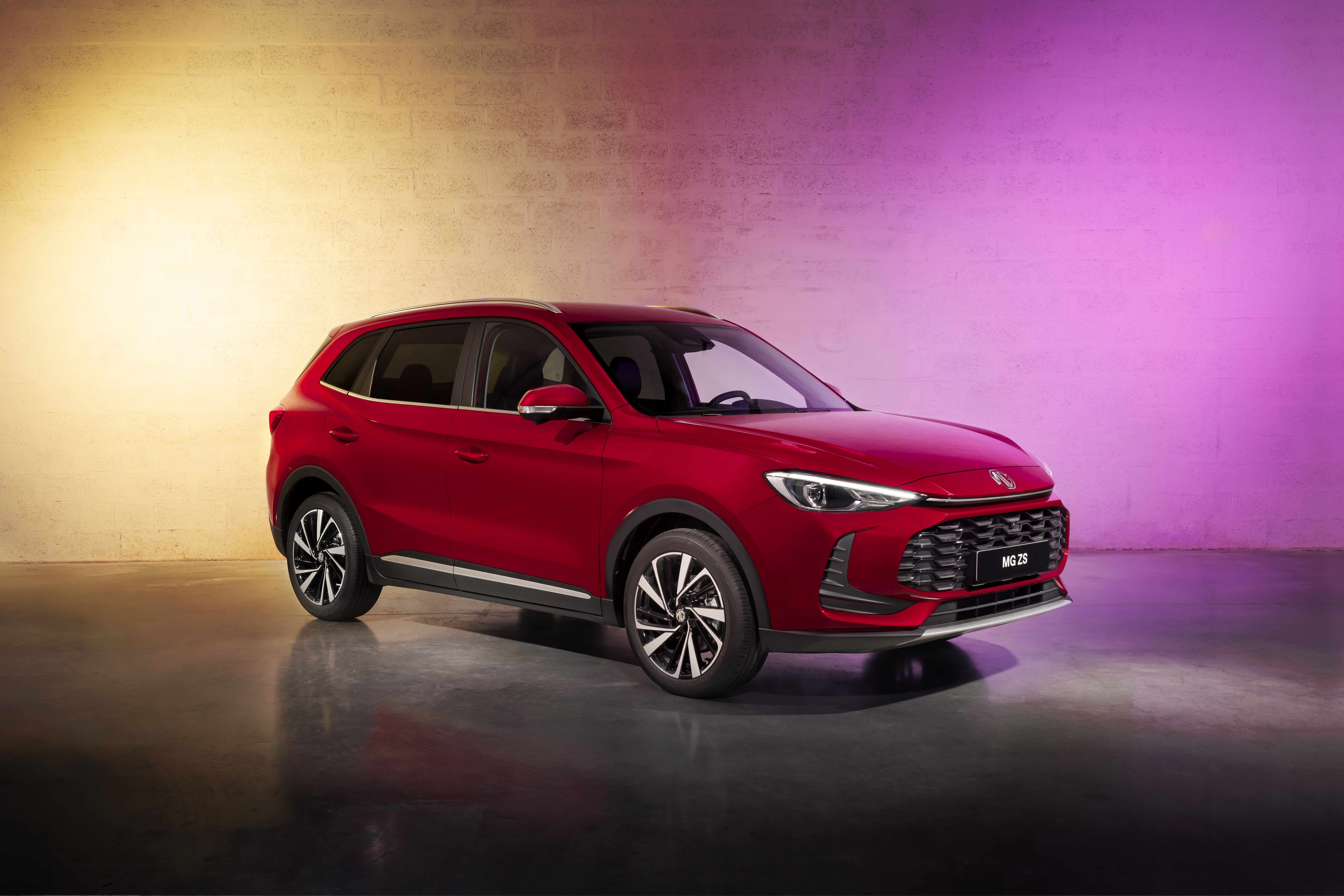
The MG ZS Hybrid+ is difficult to ignore because it launched at £21,995 with 196PS, 55.4mpg official economy and enough family space to replace a conventional petrol crossover. It is not the most polished hybrid SUV in the class, but the value equation is unusually strong.
MG has become very good at making buyers ask an awkward question of established brands: what exactly am I paying the extra money for? The new ZS is larger, more sophisticated and much more powerful than the old budget crossover, yet the entry price remained low enough to overlap with ordinary hatchbacks.
Design and first impressions
The second-generation ZS looks much more mature than its predecessor, with a cleaner front end, sharper lighting and proportions that make it feel like a proper compact SUV rather than a bargain-led alternative. It is not trying to look premium, but there is far less of the awkward styling that used to make low-cost cars feel obviously cheap.
The body is large enough to give the ZS real family presence without becoming cumbersome, and that matters because its strongest rivals increasingly come from both mainstream manufacturers and other value-focused Chinese brands.
Inside the cabin
The interior follows MG's recent formula of giving buyers a lot of visible technology for the money. A 12.3-inch infotainment screen, digital instruments, navigation, camera systems and the MG Pilot safety suite all help the car feel generously equipped even in SE trim.
The materials are still chosen around value rather than luxury, but I do not think that undermines the car if the controls are easy to use and the cabin feels durable. I would spend a test drive checking the interface and driver-assistance settings because those are the things you interact with every day, long after the excitement of a large screen has worn off.
Space and practicality
The boot offers 443 litres, which is enough for normal family use and gives the ZS a stronger practicality argument than many cheaper hybrids. There are five seats, and the larger second-generation body gives rear passengers more room than before.
I would still test the boot with the actual pushchair, luggage or dog crate you carry regularly because a litre figure never tells you whether the shape works. The important point is that the ZS now feels like a proper family car rather than something bought mainly because it costs less.
Hybrid system and economy
The Hybrid+ setup combines a 1.5-litre petrol engine with a 136PS electric motor, a generator and a 1.83kWh battery. The car automatically switches between electric, series-hybrid and engine-assisted operation depending on speed and demand, so there is no need to plug it in.
MG quotes 55.4mpg WLTP combined and 115g/km CO2. That is a respectable result for a family SUV with this much power, although some slower hybrids can do better. I would judge it on a mixed route rather than chase one headline number because full hybrids tend to show their biggest advantage in stop-start traffic where they can recover energy and use the electric motor more frequently.
Performance and what to check on the road
The combined output is 196PS and 0-62mph takes 8.7 seconds, which is brisk enough to make joining traffic and overtaking easy without turning the ZS into something pretending to be sporty. For me, that is the right kind of performance: useful rather than theatrical.
The hybrid system promises useful performance at a modest price, but I'd pay equal attention to refinement and the calibration of the assistance systems. A route that includes rough urban streets and faster A-roads will tell a buyer more about the car than a brief lap around a dealership.
Which version makes sense?
The SE launched at £21,995 and already included most of the useful equipment, while Trophy added heated seats, an electric driver's seat, larger wheels and a 360-degree camera for £24,495. I would start with SE because value is the ZS's strongest argument.
Trophy can still make sense if you genuinely want the comfort upgrades, but I would not spend the difference simply to make an inexpensive SUV look more expensive. The hybrid powertrain is the same, so the lower trim preserves the reason the car is interesting.
Leasing and alternatives
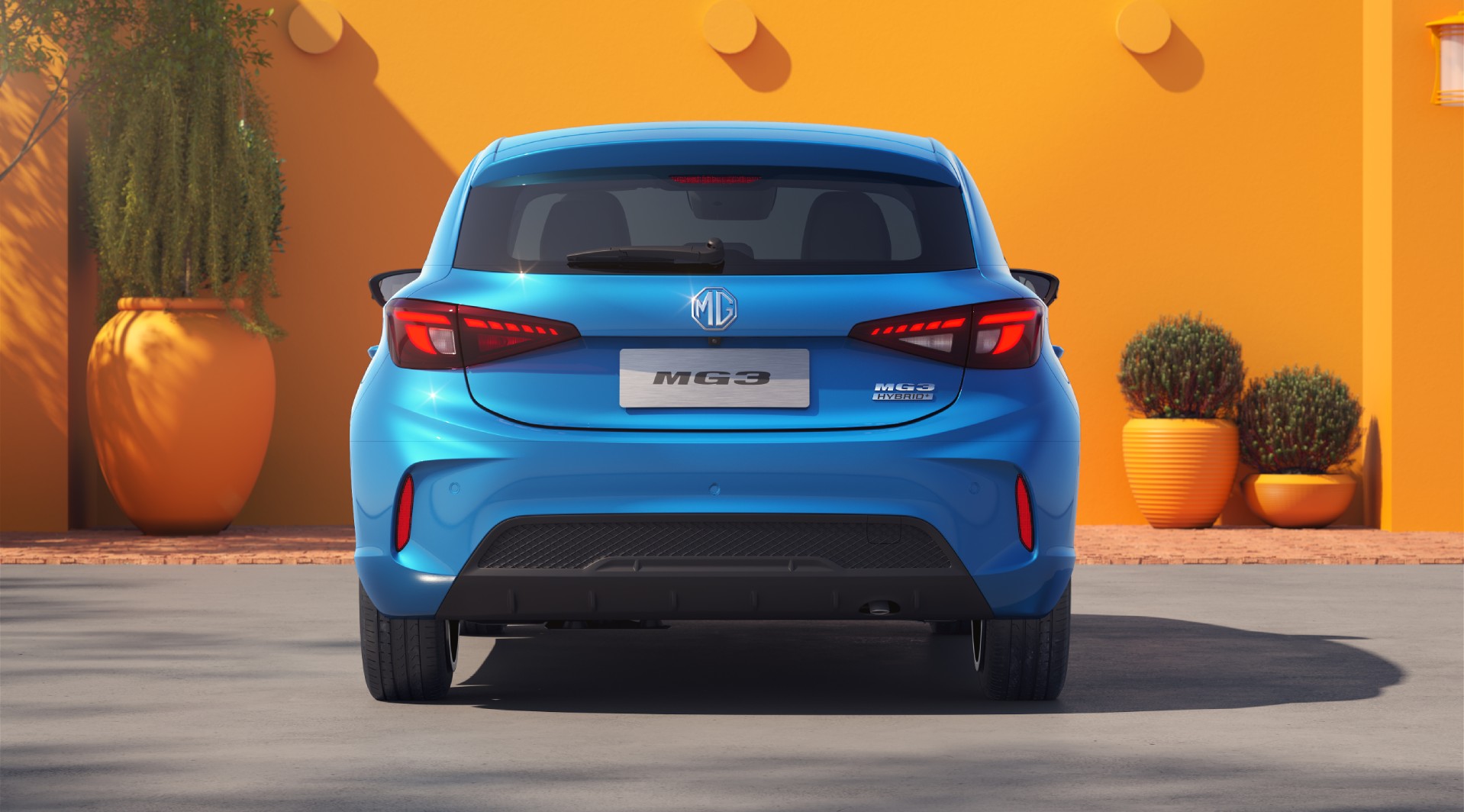
The MG3 Hybrid+ uses related hybrid thinking in a smaller hatchback, while the Dacia Duster gives a different value-led SUV proposition. If home charging is practical, I would also compare the MGS5 EV rather than assume hybrid is automatically the cheaper route long term.
Verdict
The ZS Hybrid+ does not need to be the most luxurious or most efficient hybrid in the class to make sense. It needs to be good enough in those areas while costing substantially less, and the £21,995 launch price made that argument extremely powerful.
I would shortlist the SE, test the ride and assistance systems properly and then compare the live Rivervale lease against more established rivals. If the monthly saving is meaningful, the MG gives you very little reason to apologise for choosing on value.