The MG3 Hybrid+ is one of the most convincing value-led small cars of its generation because it combines an £18,495 launch price with 64mpg official economy, a seven-year warranty and genuinely strong performance. It is not the most polished hybrid supermini, but it gives buyers an unusually generous amount of car for the money.
What makes the MG3 interesting is that MG has not treated efficiency as an excuse for making the car slow or joyless. The Hybrid+ system uses a relatively large 1.83kWh battery and a powerful electric motor, which gives it far more urgency than many small hybrids that feel engineered purely around fuel economy. I like that approach because an economical car still has to feel easy and confident when joining a motorway or overtaking slower traffic.
Design and first impressions
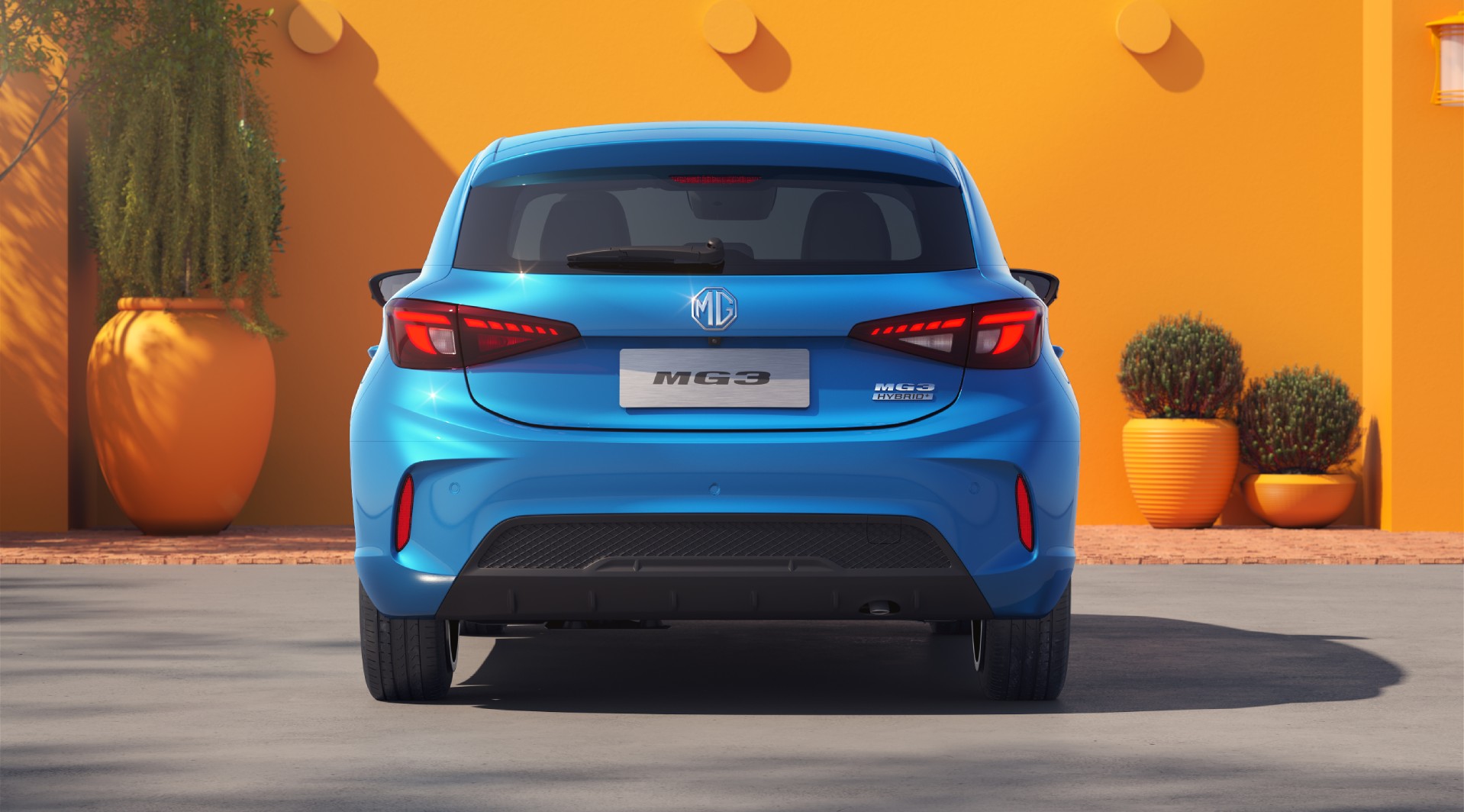
The new MG3 is a much more mature-looking car than the model it replaces. The proportions are conventional, but the detailing is sharper and more cohesive, with a cleaner front end and less of the budget-car awkwardness that affected earlier MGs. It does not try too hard to look sporty or premium, which suits the car because the appeal is value and usability rather than image.
At just over 4.1 metres long, it remains compact enough for town use but looks substantial enough not to feel like an entry-level city car. That matters because buyers moving out of an older supermini or downsizing from something larger are unlikely to feel they have made an obvious compromise.
Inside the cabin
The interior follows MG's recent formula of giving buyers plenty of visible technology for the price. Twin digital displays, connected features and a broad set of driver-assistance systems make the specification sheet look generous, although the materials are still clearly chosen around cost rather than trying to imitate a premium car.
I do not see that as a problem in itself. I would rather have a robust, easy-to-clean cabin with useful equipment than soft-touch trim added purely for showroom appeal. What matters is whether the touchscreen is intuitive, the seat remains comfortable after an hour and the assistance systems do not constantly interrupt normal driving.
How the Hybrid+ system works
The powertrain combines a 1.5-litre petrol engine with a 100kW electric traction motor, a separate generator and a three-speed hybrid transmission. The car can move between electric-only running, series-hybrid operation and direct engine drive depending on speed and demand, all without the driver needing to manage the system manually.
You do not plug it in, so the MG3 suits people who want some of the smoothness and efficiency benefits of electrification without installing a charger. The trade-off is that there is no meaningful battery-only commuting range, so the car still relies on petrol for longer journeys.
Economy and performance
MG quotes 64mpg WLTP combined and 100g/km CO2. As always, those figures are useful for comparing cars rather than predicting exactly what every owner will achieve, because winter temperatures, motorway speeds and short journeys can all move a hybrid away from its laboratory result.
Performance is unusually strong for this class. The combined system output is around 194PS and 0-62mph takes 8.0 seconds, which makes the MG3 substantially quicker than many small hybrids. That does not turn it into a hot hatch, but it means the car should feel effortless in situations where cheaper small cars often start to feel strained.
Space and practicality
The boot holds 293 litres with the rear seats up and 983 litres with them folded. That is useful rather than exceptional, and the hybrid hardware inevitably asks for some packaging space. Anyone carrying a pushchair or bulky equipment should try the actual item before ordering because the shape of the boot can matter more than the headline capacity.
There are five seats and enough rear room for normal family use, although this is still a supermini rather than a small SUV. The benefit is that it remains easy to park and inexpensive to run, which is exactly what many buyers want from this size of car.
What matters on a test drive
I have not driven this particular MG3 Hybrid+, so I would not pretend to give you a first-hand road-test verdict. Independent launch tests were generally positive about the punch of the hybrid system and the value, while refinement under hard acceleration and ride quality attracted more mixed views.
That gives a clear test-drive checklist: accelerate onto a faster road, let the powertrain move through its modes naturally and spend time on broken urban surfaces. If the engine noise, ride and assistance systems feel acceptable to you, the value proposition becomes very difficult to ignore.
Which version makes sense?
The SE launched at £18,495 and already included the essential technology, while Trophy added more comfort and convenience equipment for £20,495. I would start with SE and only move up if the extra features are things you will genuinely use, because the fundamental hybrid powertrain is the same.
At this end of the market, £2,000 is a meaningful percentage of the total price. The MG3's strongest argument is that it delivers a lot for relatively little, so it makes sense to preserve that advantage rather than chase every option.
Leasing and alternatives
I would compare the MG3 with Toyota and Renault full hybrids, but I would also look at affordable EVs if home charging is easy. The Renault 5 E-Tech and BYD Dolphin Surf show how quickly the small-car market is changing.
Verdict
The MG3 Hybrid+ is a strong example of value meaning more than simply being cheap. It has an interesting powertrain, useful performance, decent economy and a long warranty, and the launch price put pressure on hybrid rivals costing significantly more.
I would not buy it from the specification sheet alone because the way the gearbox, engine noise and driver-assistance systems behave will matter every day. If those suit you, the MG3 looks like one of the smartest routes into a new automatic hybrid.