The Hyundai INSTER is one of the cleverest small EVs of its launch period because it stays genuinely compact while offering up to 229 miles of official range, a standard heat pump and a surprisingly flexible cabin. The four-seat layout is the main limitation, but for one or two people, or a smaller household, it makes a great deal of sense.
I like the fact that Hyundai has resisted turning the INSTER into another swollen crossover. It is short, narrow and upright, which makes far more sense for a car likely to spend most of its life in towns and cities, while the relatively long wheelbase helps the interior feel more useful than the exterior dimensions suggest. The styling also gives it enough personality that affordability does not look like an apology.
Design and first impressions
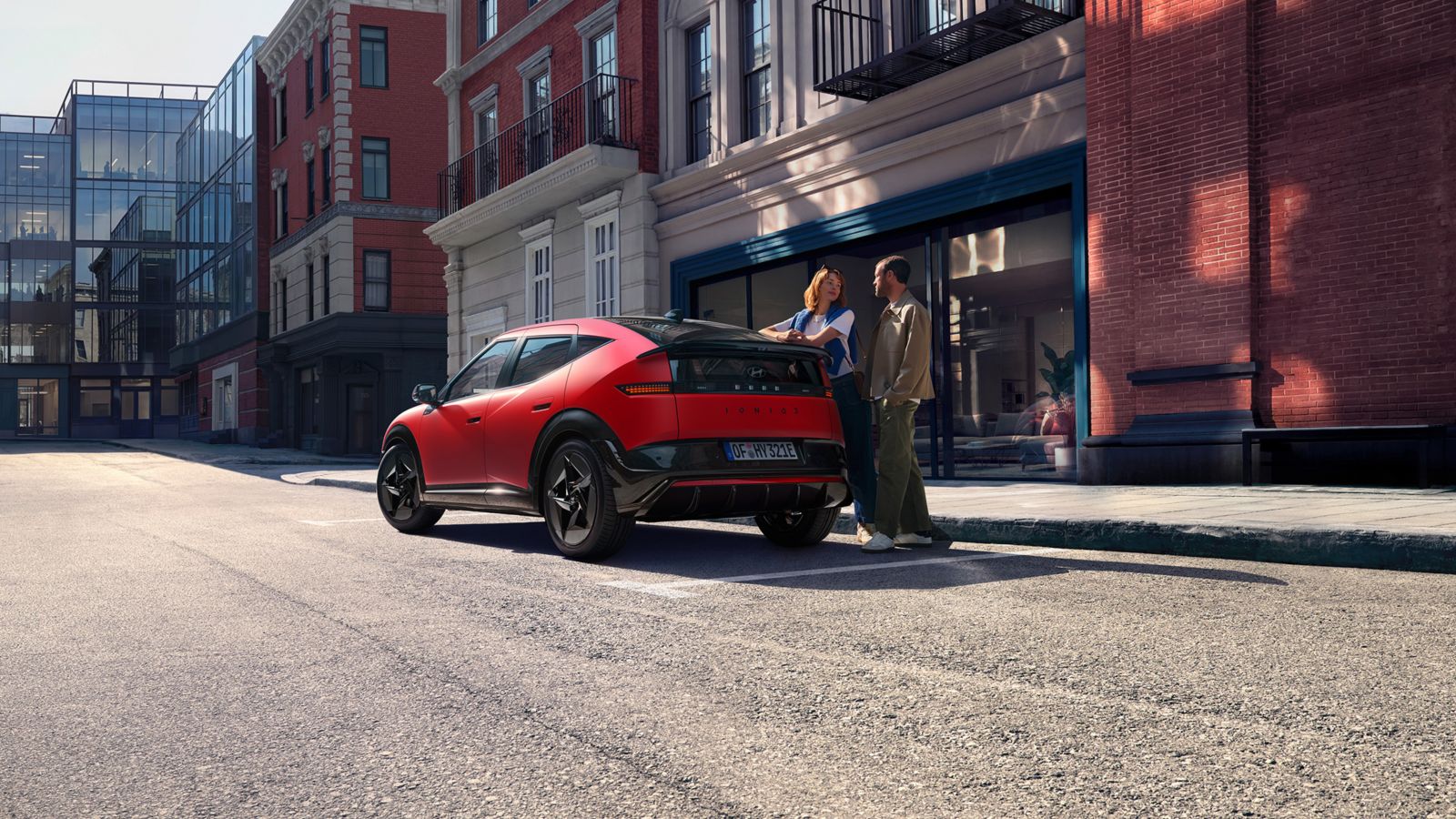
The INSTER has a distinctive mix of pixel lighting, chunky proportions and tiny exterior dimensions that makes it stand out without relying on aggressive styling. It looks more interesting than many budget-focused EVs, and the upright body should make getting in and out easier than in a low supermini.
At 3,825mm long, it is genuinely small. That matters because compact cars have become increasingly rare, particularly in the EV market where large batteries and SUV styling have pushed everything upwards in size and price.
Inside the cabin
The interior makes good use of the available space, with a clean dashboard, digital displays and a sensible amount of storage. The design is not especially luxurious, but it feels modern and well considered, and Hyundai has concentrated on flexibility rather than decoration.
Higher trims use sliding and reclining rear seats, which allows owners to prioritise rear legroom or luggage space depending on the journey. That is exactly the sort of practical thinking I want from a small car because it makes the limited footprint work harder.
Space and practicality
The four-seat layout is the first thing to understand. It will suit many couples, commuters and small households perfectly well, but anyone who regularly carries five people should move straight to another car rather than pretending the missing centre seat is a minor detail.
Boot capacity depends on trim and rear-seat position. The entry car offers around 280 litres, while the sliding rear bench on higher specifications can increase luggage space to roughly 351 litres, with 1,059 litres available when the rear seats are folded. That is a useful amount of flexibility for such a short car.
Battery and range
The entry INSTER uses a 42kWh battery, while the Long Range version moves to 49kWh and raises power to 115PS. The larger-battery model is officially rated at up to 229 miles WLTP, which is a strong number for a car of this size.
I would choose the Long Range if the INSTER is going to be your only car because the extra margin makes occasional longer journeys far easier. If most travel is short and the car can charge at home every night, the smaller battery remains perfectly sensible and avoids paying for capacity you may rarely use.
Charging and winter usability
Hyundai quotes around 30 minutes for a 10-to-80 per cent rapid charge under suitable conditions, while an 11kW onboard AC charger is standard. The important part for me is that Hyundai also included battery heating and a high-efficiency heat pump across the UK range.
Those features are especially valuable in Britain because cold-weather efficiency is not a niche issue. A small battery needs to be managed well through winter, and including that hardware as standard makes the INSTER feel much more thoughtfully engineered than some cheaper EVs.
Performance and everyday use
The 49kWh Long Range version produces 115PS and 147Nm, reaching 62mph in around 10.6 seconds. This is not a performance EV and does not need to be. Immediate low-speed response and easy manoeuvring matter far more to the INSTER's intended use than an impressive acceleration figure.
I have not driven this particular INSTER, so I would want a test drive to include a motorway or faster A-road rather than only town streets. The key question is whether the car still feels confident at higher speeds and whether wind and road noise remain acceptable once the urban environment falls away.
Leasing and alternatives
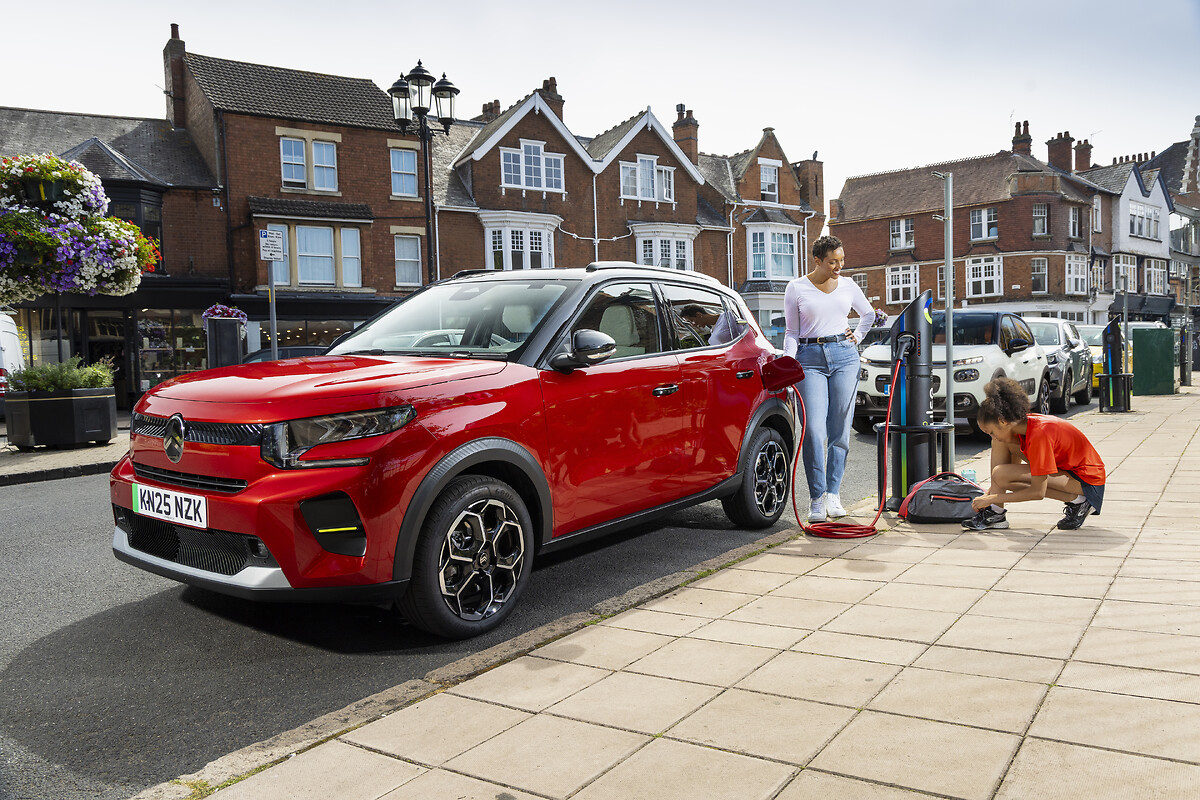
The Dacia Spring is much cheaper but also significantly more limited, while the Citroen e-C3 gives you five seats and a larger body. The Renault 5 E-Tech is another strong comparison if design and a more conventional supermini shape appeal.
Verdict
The INSTER stands out because it feels as though Hyundai designed a genuinely small electric car rather than shrinking a larger SUV and hoping the numbers still work. The range is useful, the charging and thermal-management equipment are thoughtful, and the cabin makes surprisingly good use of limited exterior space.
The four-seat layout will rule it out immediately for some buyers, but for everyone else I would put the Long Range version high on the shortlist. It offers enough range to remove most of the anxiety associated with tiny EVs while keeping the size and efficiency benefits that make a small electric car appealing in the first place.