The Ford Explorer EV is one of the more convincing mainstream electric family SUVs because it combines a genuinely useful 374-mile official range with a compact enough footprint for everyday British roads. The Volkswagen Group platform underneath is obvious in places, but Ford has given the car enough of its own design, storage ideas and road character to make it more than a rebadged relative.
The European Explorer is very different from the huge American SUV that shares its name, and that is a good thing for the UK. At under 4.5 metres long, it is closer in size to a conventional family crossover than a full-size SUV, which makes it much easier to imagine living with one on a normal driveway or in a multi-storey car park.
Design and first impressions
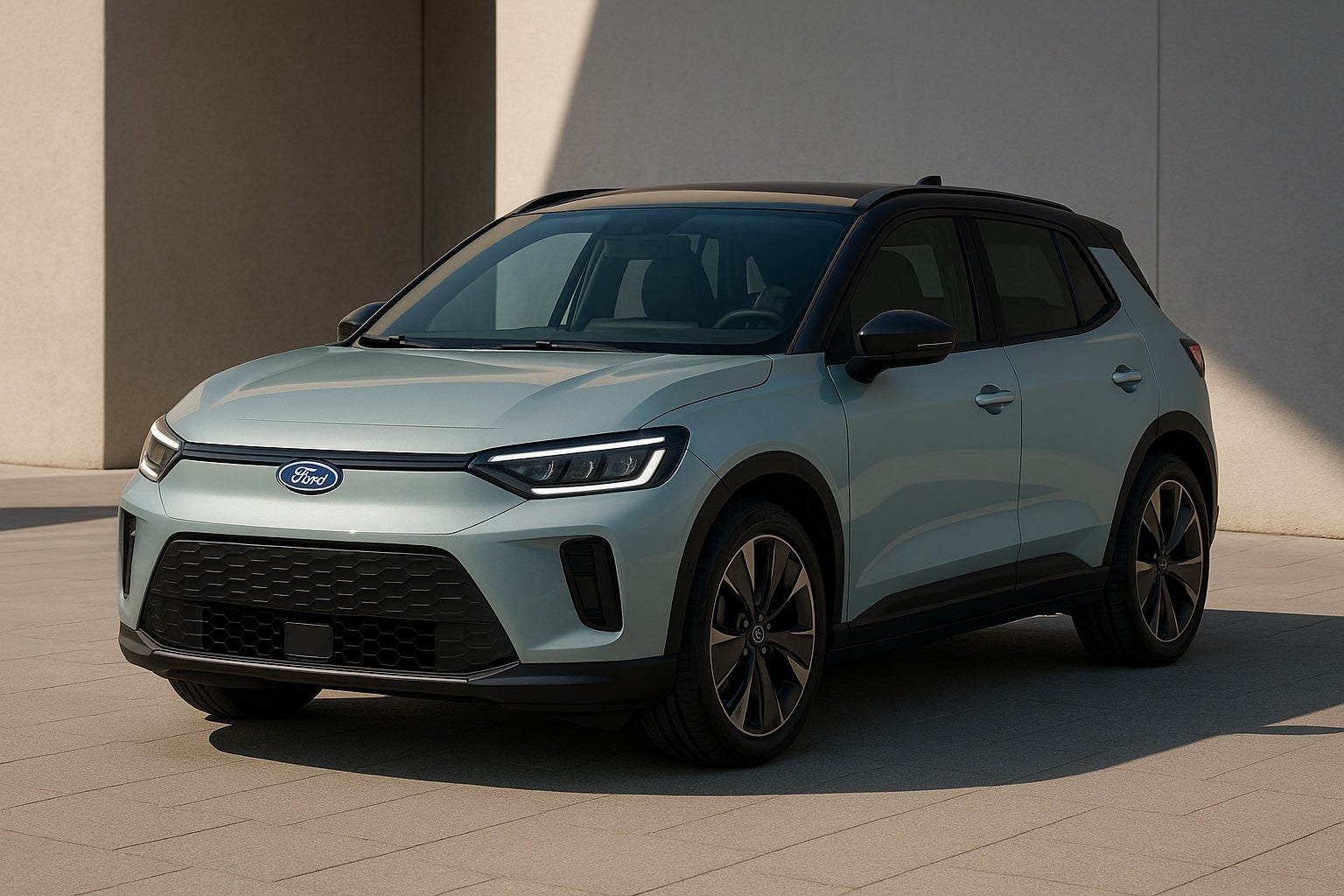
Ford has given the Explorer a clean, fairly upright shape with a broad front end and enough visual weight to look substantial without becoming oversized. It is not especially adventurous, but the proportions work and the car feels more compact in person than the SUV styling suggests.
The important point is that the design is practical. The roofline stays high enough to preserve rear headroom, the doors are generous and the body has not been compromised simply to chase a coupe-like silhouette. In a family EV, that is exactly the trade I would want.
Inside the cabin
The shared MEB platform is most obvious in some of the switchgear, but Ford has worked hard to make the cabin feel different from the Volkswagen and Skoda models that use related hardware. The 14.6-inch central screen can be adjusted for angle and conceals a lockable storage compartment behind it, while the deep centre console adds useful space for the everyday clutter a family car inevitably collects.
I like those details because they are more valuable than trying to hide the platform sharing. If using common engineering keeps development costs under control, I would rather Ford spend its time making the things the driver actually touches more useful.
Space and practicality
The Explorer offers five seats and around 450 litres of luggage space, expanding to roughly 1,460 litres with the rear seats folded. That is enough for normal family use without making the exterior unnecessarily large, and the flat-floor EV layout helps the rear cabin feel open.
The boot is useful rather than class-leading, so I would still compare it directly with a Skoda Enyaq or Renault Scenic if carrying capacity is a major priority. The Explorer's advantage is that it packages a lot of usable car into a fairly compact footprint.
Range and charging
The launch Extended Range rear-wheel-drive car uses a 77kWh usable battery and was rated at up to 374 miles WLTP. That figure gives the Explorer enough margin to work as a household's main car, including for people who regularly travel beyond the range of a small urban EV.
Early Extended Range cars offered sensible rather than class-leading rapid charging, and later model years improved the hardware. That makes it important to check the exact specification if you are buying used or comparing stock. For a new lease, the live model page should show the current derivative rather than assuming every Explorer carries the same battery and charging figures.
Performance and what to check on the road
The 286PS rear-wheel-drive version produces 545Nm and reaches 62mph in 6.4 seconds, which is comfortably quick enough for a family SUV. I would take that version over the faster all-wheel-drive car unless you specifically need the extra traction or towing ability, because the additional performance is not something most drivers will use every day.
I have not driven this particular Explorer, so I would not present independent launch impressions as my own. The general view was that Ford managed to make it feel a little more engaging than some closely related MEB cars, which gives me a clear test-drive focus: steering feel, low-speed ride and brake consistency rather than simply enjoying the acceleration.
Which version makes sense?
The Extended Range rear-wheel-drive car is the version I would start with if this is intended to be the household's main vehicle. The extra range changes how relaxed longer journeys feel and gives more winter margin, while still avoiding the extra weight and cost of the AWD version.
If your driving is mostly local and home charging is easy, a smaller-battery version can still make financial sense. The key is to compare the real monthly difference rather than assuming the longest-range option is always best value.
Leasing and alternatives
The Skoda Elroq is a strong practicality-led alternative, while the Renault Scenic E-Tech offers a similarly family-focused brief with more range in Long Range form. The CUPRA Tavascan is worth a look if you want something more design-led from related electric hardware.
Verdict
The Explorer's biggest strength is that it does not force buyers to choose between a useful range and sensible dimensions. A 374-mile official figure in a body under 4.5 metres long is a combination that suits Britain particularly well.
I would choose the Extended Range RWD, compare the live lease against its platform relatives and decide whether Ford's packaging and cabin approach are enough to win you over. The shared engineering is not a reason to dismiss it; what matters is whether Ford has made the overall ownership proposition feel more appealing.