One of the things I like about Škoda is that it generally remembers what people buy family cars for. Space, a sensible boot and controls that don’t require a degree in computing might not sound terribly exciting, but they matter when you’ve got places to be. The Elroq looks as though it understands that brief rather well, and I think that’s a more interesting selling point than another extravagant claim about the future of electric motoring.
What exactly is the Škoda Elroq?
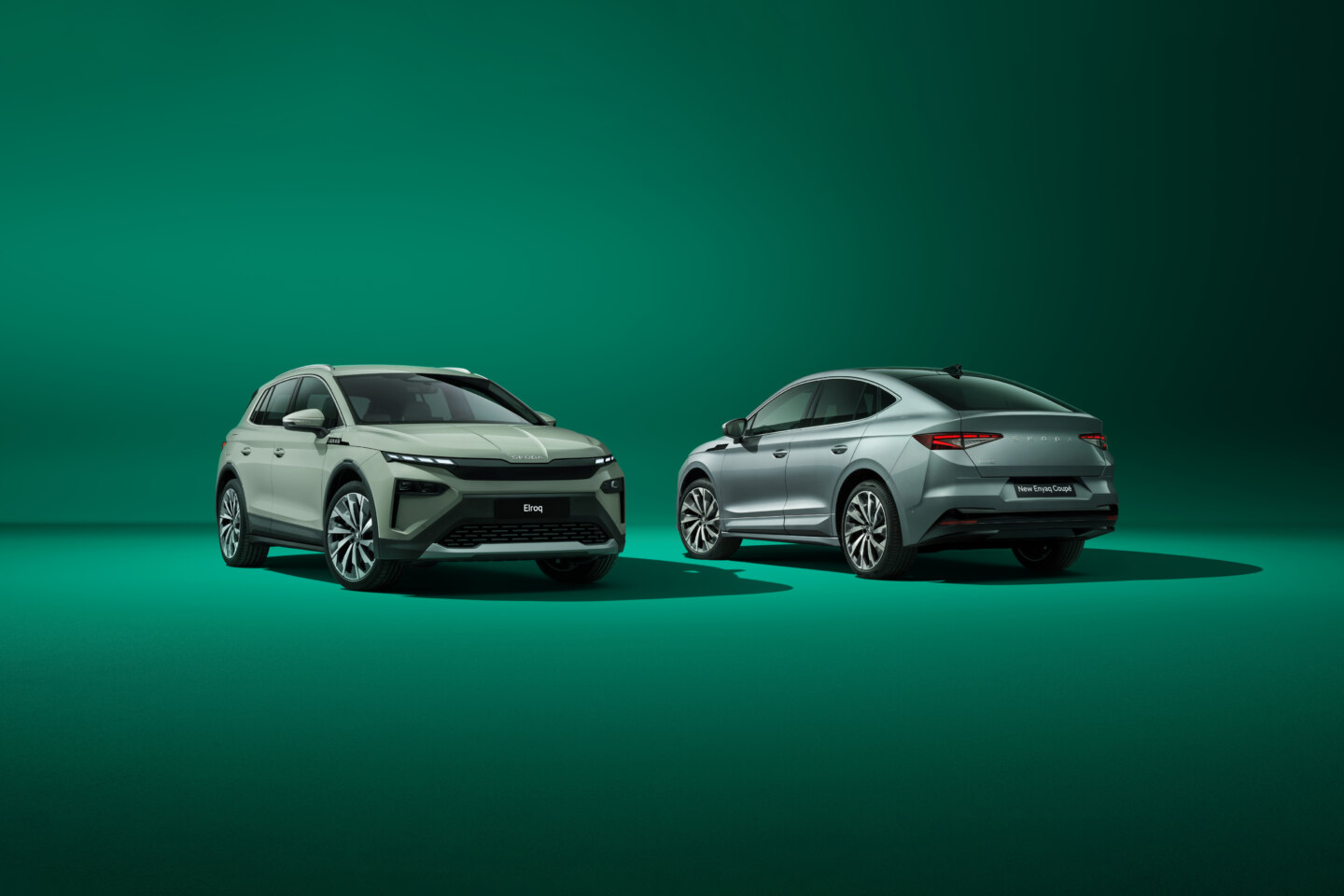
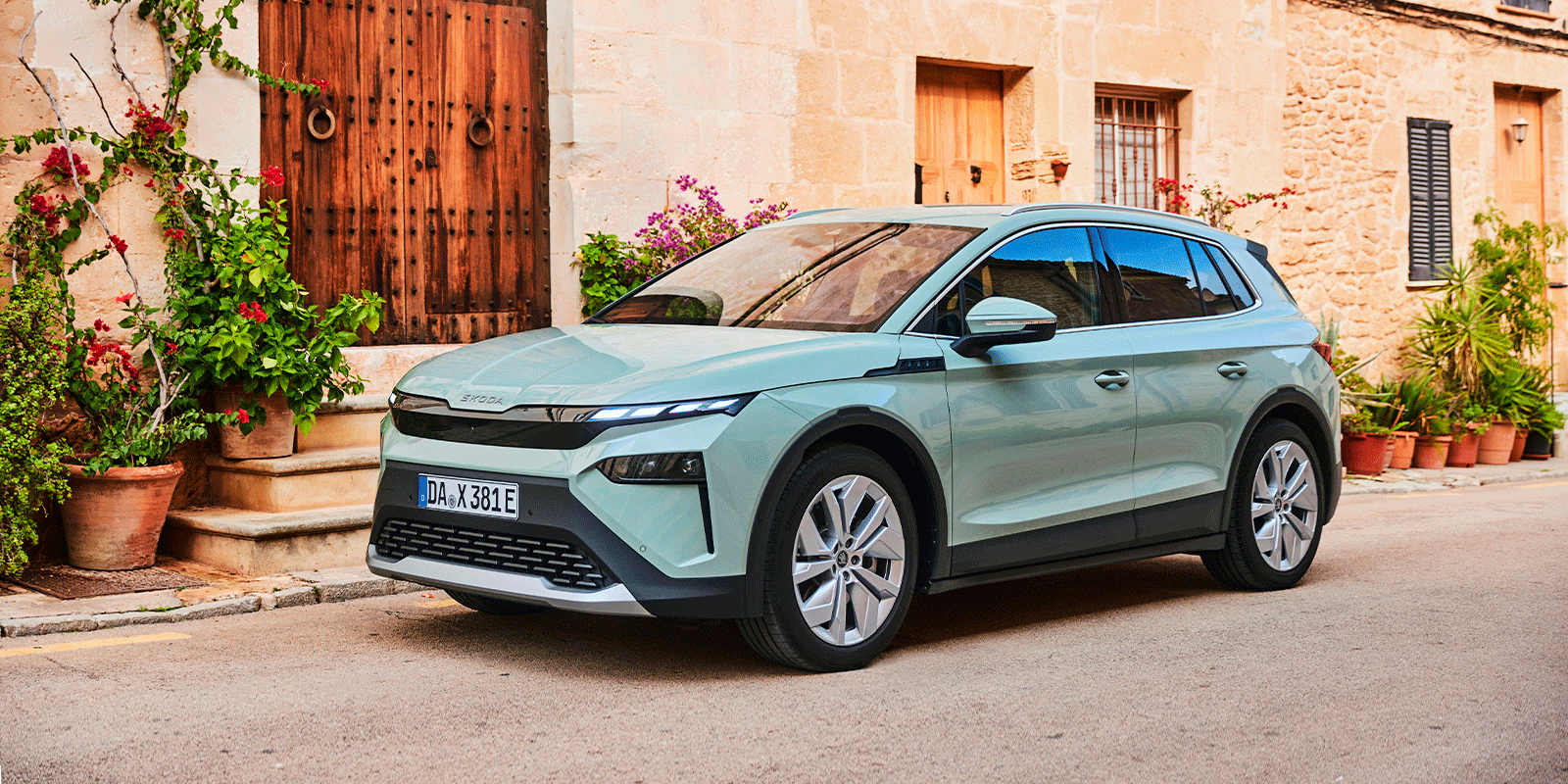
The Elroq sits below the larger Enyaq and gives buyers a fully electric alternative in roughly the same part of the market as the petrol-powered Karoq. Its styling introduces Škoda’s ‘Modern Solid’ design approach, with the traditional grille replaced by a dark panel housing some of the car’s sensors. I quite like the relatively restrained look. It’s recognisably modern without requiring illuminated everything to get your attention.
The proportions are practical, too. At about 4.49 metres long, it looks like the sort of family SUV that should be manageable in a supermarket car park without making rear passengers feel as though they’ve drawn the short straw. Whether the driving position and seat comfort match that promise is something I’d want to check in person.
Which Elroq battery and trim would I choose?
Škoda’s current UK range includes 60 and 85 battery choices, as well as the more powerful all-wheel-drive vRS. The 60 versions use a 58kWh usable battery and have a quoted range of up to around 280 miles, depending on the trim. The 85 versions use a 79kWh usable battery and offer up to 372 miles on the official WLTP cycle in the most efficient configuration.
The 60 makes sense to me for somebody who mainly charges at home and uses the car for commuting, shopping and the occasional longer journey. If the Elroq is going to be the only car in a household, though, I’d be drawn towards the 85. Having extra range available on a cold day is more useful than spending every journey trying to prove how efficient you can be.
The published UK prices currently put the SE L 60 from £34,295 and the SE L 85 from £37,060, before checking grant eligibility and the final specification of a particular car. I wouldn’t automatically choose the top trim. Heated seats, good headlights and useful parking equipment are things I’d pay for; large wheels and cosmetic extras would be much further down my list.
Cabin technology: please keep the useful buttons
The Elroq has a 13-inch central infotainment screen and a separate digital driver display. Škoda has also retained physical shortcuts for some everyday functions, which is welcome when so many manufacturers seem determined to bury simple controls in menus.
I’m interested in how the cabin materials stand up to normal family use. Recycled fabrics and clever interior design are great, but what I really want to know is whether the seats remain comfortable on a long journey and whether the screen is responsive when you actually need it. Those are questions for a proper road test, not things I can establish by reading a specification sheet.
The boot is one of the more convincing figures
Škoda quotes 470 litres of boot space with the rear seats in place, rising to 1,580 litres with them folded. That’s a useful amount for a compact family SUV, and the shape of the opening should be worth inspecting as closely as the headline measurement.
There are also some of Škoda’s familiar practical touches, including a place to store the charging cable. I have a soft spot for this sort of thinking. An extra hook or a sensible storage compartment might not sell a car in a glossy advert, but it’s exactly the sort of detail you end up appreciating when you own one.
What about charging and real-world range?
The longest-range 85 versions quote up to 372 miles WLTP, but I wouldn’t use that number as a promise of motorway range, particularly in winter. Battery temperature, speed, weather, tyres and how heavily the car is loaded can all affect the result.
Škoda’s UK information gives a rapid-charging time from around 26 minutes under the stated test conditions, with charging performance varying by battery version. What I’d really like to establish is how easily the car plans stops and how consistently it charges during a long journey. A headline peak charging rate tells you only part of the story.
My verdict before driving it
The Elroq looks like a very sensible addition to the electric family-car market, and I mean that as a compliment. The boot, the equipment and the choice of batteries all seem designed around what people actually need. I would put an 85 on my own shortlist if I needed one car to do local journeys and regular longer trips.
I’m holding back on any claim that it’s the most comfortable or best-driving car in its class until I’ve spent time with one. There’s no shortage of excellent electric SUVs available, and I’d want to compare the Elroq’s ride, cabin and efficiency directly with the Kia EV3, Renault Scenic E-Tech and its bigger sibling, the Enyaq. The specification gives me plenty of reasons to be interested, which is a good place to start.
Specification and price source: Škoda UK Elroq range. Figures vary by trim and may change.