The second-generation Skoda Kodiaq remains one of the easiest large family SUVs to recommend because it uses its size exceptionally well. The seven-seat version still offers a genuinely useful third row and strong luggage capacity, while the new mild-hybrid and plug-in-hybrid options broaden the appeal without changing the practical formula that made the original so successful.
Skoda has always been particularly good at making practicality feel like a design feature rather than an apology, and the new Kodiaq follows the same logic. It is longer than before, but the extra length goes into the cabin and luggage area rather than simply creating a more imposing bonnet, while the interior has been modernised without abandoning every physical control.
Design and first impressions
The new Kodiaq is cleaner and more rounded than its predecessor, but it still looks unmistakably like a large family SUV. The proportions remain upright enough to preserve headroom and visibility, and there is none of the coupe-inspired styling that often looks dramatic at the expense of useful space.
At 4,758mm long, it is a substantial car, but that size is justified by what it gives you inside. I would still check the width against a narrow drive or older garage, although the Kodiaq makes a better case for its footprint than many similarly large SUVs.
Inside the cabin
The most interesting interior change is the row of three Smart Dials below the central screen. They combine physical rotary controls with small displays and configurable functions, which strikes me as a far better compromise than burying climate and drive settings inside a touchscreen.
The rest of the cabin feels typically Skoda, which is to say practical and logically arranged rather than trying too hard to impress. Storage is generous, the seating position is comfortable and the overall design should age well because the fundamentals take priority over novelty.
Seven-seat practicality
The seven-seat version is the reason many people will look at the Kodiaq in the first place. There are 340 litres of boot space with all seven seats in use, roughly 845 litres with the third row folded depending on seat position and up to 2,035 litres with the rear seats down.
Those numbers make the Kodiaq genuinely useful for a family that regularly uses the third row rather than simply offering two emergency seats. I would still try the people and luggage that actually travel with you because seven passengers and seven passengers' bags are separate packaging problems, but the Skoda gives you a much better starting point than many rivals.
Which engine makes the most sense?
The launch range started with the 150PS 1.5 TSI e-TEC mild hybrid and a diesel, with more powerful diesel and plug-in-hybrid versions following. I would start with the mild hybrid for ordinary family use because it keeps the drivetrain simple and avoids paying for capability you may not need.
The 150PS engine takes around 9.9 seconds to reach 62mph in seven-seat form, which is adequate rather than quick. If the car will regularly be full of passengers, tow a caravan or spend a lot of time on steep roads, I would also try the stronger engines before deciding.
Economy, towing and everyday use
The equivalent 150PS seven-seat mild-hybrid specification is rated at roughly 44.8 to 46.3mpg WLTP, with CO2 emissions around 138 to 144g/km depending on equipment. The 48V system assists the petrol engine and allows more efficient coasting and restarting, but it does not turn the car into an EV at low speeds.
The 1.5 TSI e-TEC is rated to tow up to 1,800kg braked and 750kg unbraked, which is a useful capability. Anyone towing regularly should still compare the diesel and four-wheel-drive options because the extra torque may matter more in practice than a slightly better brochure economy number.
What matters on the road
I have not driven this particular second-generation Kodiaq, so I would not present independent reviews as my own verdict. The areas I would focus on are ride comfort with passengers aboard, refinement from the 1.5 mild hybrid and how easy the car feels to place on narrower roads.
The Kodiaq does not need to be sporty. Its job is to feel calm, predictable and easy to use when the cabin is full, and that is the standard I would judge it against.
Pricing and leasing
The five-seat SE launched from £36,645 and the seven-seat version from £37,505, which put a genuinely large family SUV well below many premium alternatives. SE L cost more but added equipment rather than changing the useful parts of the car.
Alternatives and verdict
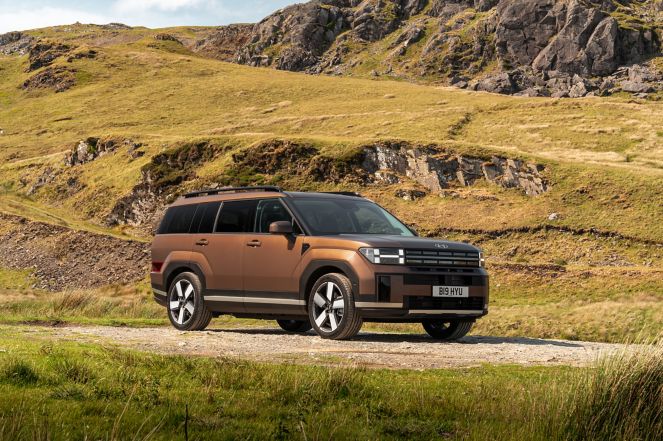
The Hyundai Santa Fe offers a more dramatic design and a very usable third row, while the Dacia Bigster is substantially cheaper if five seats are enough. If charging is straightforward and a fully electric seven-seater appeals, the Peugeot E-5008 belongs on the same shortlist.
The second Kodiaq does not need to reinvent the family SUV because the original formula was already very good. More space, cleaner technology and new electrified powertrains simply make that formula easier to adapt to different households. I would choose the seven-seat SE mild hybrid for value and simplicity, then look at the diesel if mileage or towing genuinely justifies it.