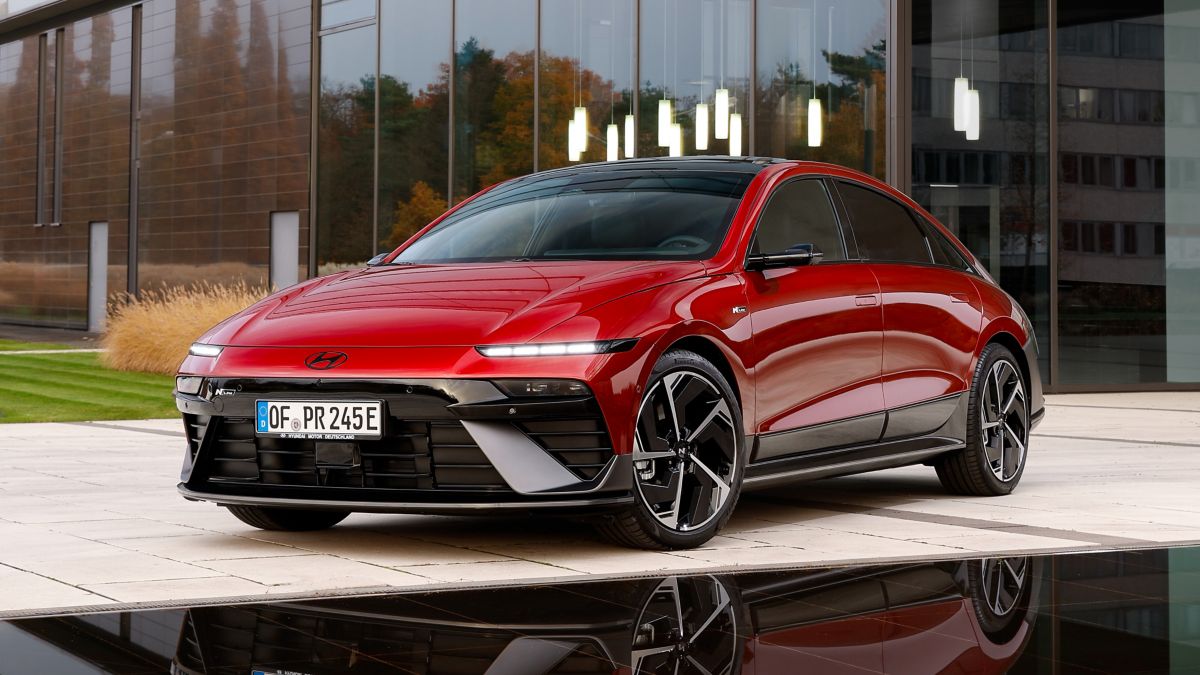
The facelifted Hyundai IONIQ 6 now starts at £33,240 in the UK after the full £3,750 Electric Car Grant, while the rear-wheel-drive Premium version can travel up to 422 miles on the official WLTP cycle. That combination of price, range and ultra-fast charging puts the IONIQ 6 back into the conversation in a big way, particularly for drivers who want an efficient long-distance EV without moving into premium-brand money.
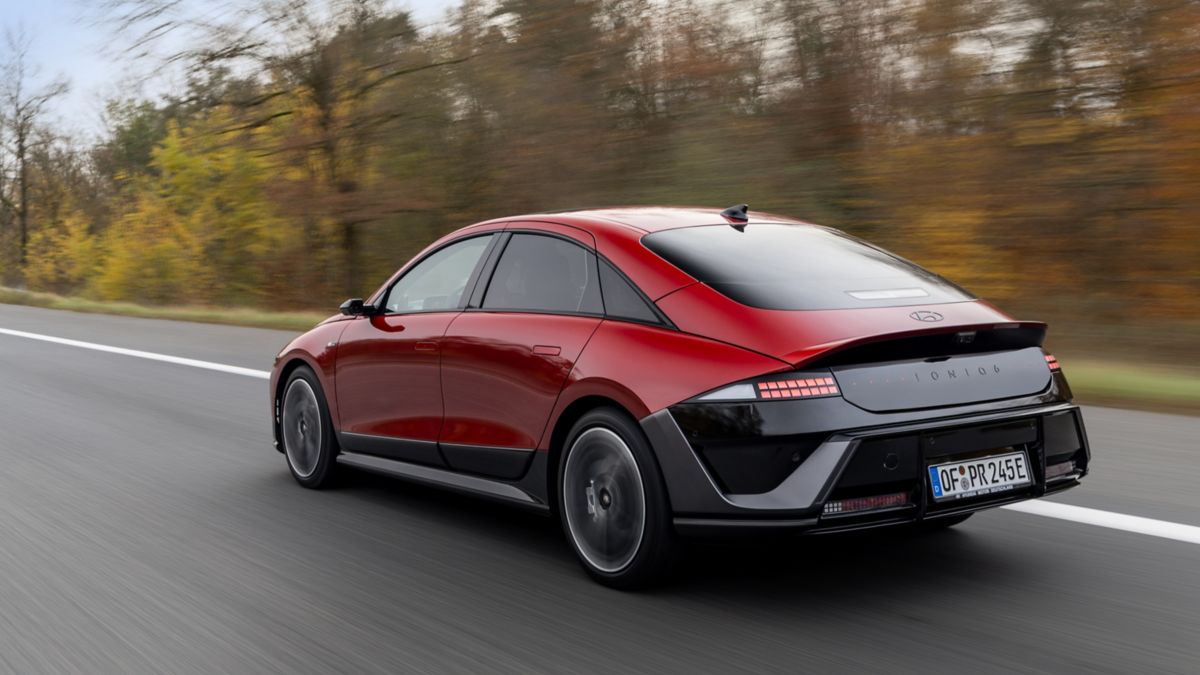
I have always thought the IONIQ 6 was one of Hyundai's more interesting electric cars because it takes efficiency seriously. The shape is unusual, and it will never have the broad appeal of an SUV, but that slippery body helps the car make excellent use of its battery. With the updated model now carrying an 84kWh pack across the range and qualifying for the government's highest grant on selected versions, the numbers suddenly look much more compelling.
Which Hyundai IONIQ 6 models get the full Electric Car Grant?
The full £3,750 grant applies to the Premium rear-wheel-drive and N Line rear-wheel-drive versions. Hyundai lists the Premium RWD at £33,240 after the grant, while the N Line RWD comes in at £36,240. The more powerful all-wheel-drive cars and higher-specification N Line Evo versions sit above the grant threshold and do not receive the same reduction.
That creates quite a clear sweet spot in the range. Unless you specifically want four-wheel drive or the additional equipment of the Evo, the rear-wheel-drive cars are where the value sits, and they are also the versions that make the most of the IONIQ 6's efficiency.
How far will the new IONIQ 6 go on a charge?
Hyundai quotes up to 422 miles of WLTP range for the Premium rear-wheel-drive version, which uses 18-inch wheels and is rated at 4.6 miles per kWh. As always, that is a laboratory figure rather than a promise of 422 motorway miles in January, but it gives the car a very useful buffer for real-world long-distance driving.
All UK versions use the same 84kWh battery, so the differences in range come from power output, driven wheels and wheel size rather than customers having to choose between a small and large battery. I like that approach because it makes the range easier to understand and means even the less efficient versions start with a substantial amount of usable energy.
Charging remains one of the IONIQ 6's biggest strengths
The IONIQ 6 continues to use Hyundai's 800-volt electrical architecture, which is still one of the best reasons to consider an E-GMP-based EV. Hyundai quotes a 10 to 80% charge in around 18 minutes when connected to a suitable 350kW ultra-rapid charger and when conditions allow the car to reach its maximum charging performance.
Peak charging figures always need context because you will not see the maximum rate for an entire session, but an 18-minute quoted stop is genuinely useful on a long journey. The updated cars also include a heat pump as standard in the UK, which should help efficiency in colder weather and makes more sense to me than leaving an important piece of EV hardware buried on an options list.
What has changed with the facelift?
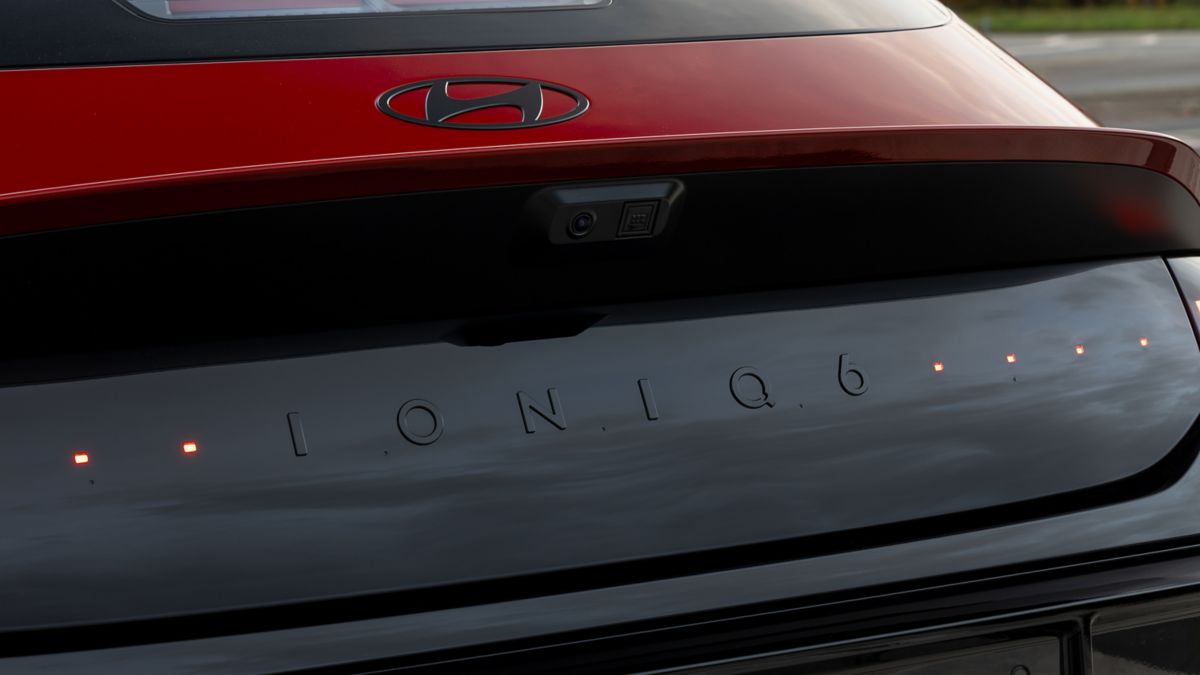
The revised IONIQ 6 gets a cleaner front end, slimmer lighting and a reworked rear design, while N Line cars gain a more aggressive appearance. Inside, Hyundai has made detail changes rather than throwing away the basic layout, with updates to controls and materials intended to make the cabin easier to use.
I think that is the right direction. The original car was already technically strong, so the facelift did not need to reinvent the platform. It needed to make the design feel fresher, keep the charging advantage and improve the value proposition. The grant has arguably done more for the last of those than any styling change could.
Is £33,240 actually good value?
For an 84kWh electric car with more than 400 miles of official range, it is very difficult to ignore. There are cheaper EVs, and there are plenty of electric SUVs around the same money, but the IONIQ 6 is offering long-distance capability that would have looked distinctly premium only a few years ago.
The important thing is not to buy it purely because the range figure is high. A saloon body is less flexible than an SUV or hatchback if you regularly carry bulky luggage, and the styling is intentionally distinctive. If those things work for you, though, the combination of range, charging and grant-adjusted price makes the Premium RWD look particularly well judged.
Which IONIQ 6 would I choose?
I would start with the Premium rear-wheel-drive version. It gets the lowest grant-adjusted price, the longest official range and the more sensible 18-inch wheels, which should also help ride comfort and tyre costs compared with larger alternatives. It feels like the specification that best plays to what the IONIQ 6 is actually good at.
The N Line will appeal if you prefer the sportier look, and the all-wheel-drive versions make sense for somebody who genuinely wants the extra performance. For most people, though, I would rather have the version that goes further, costs less and keeps the IONIQ 6 focused on efficiency.
When does the facelifted Hyundai IONIQ 6 arrive?
Hyundai says UK customer deliveries are due to begin in early 2027. That means the new pricing is worth treating as an order-book decision rather than a car you will necessarily drive away from a showroom this weekend, but it gives anyone considering an EV in the low-to-mid £30,000s another strong option to put on the shortlist.
At £33,240, I think the IONIQ 6 has become much easier to recommend on paper. The shape will still divide opinion, but the fundamentals are strong and the grant now makes the price feel much more aligned with the efficiency and technology underneath it.