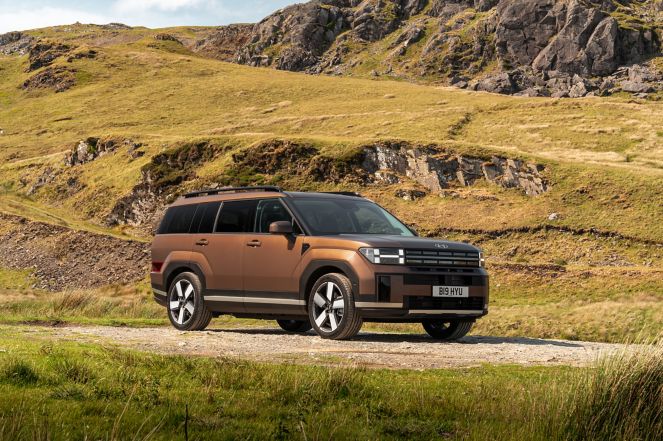
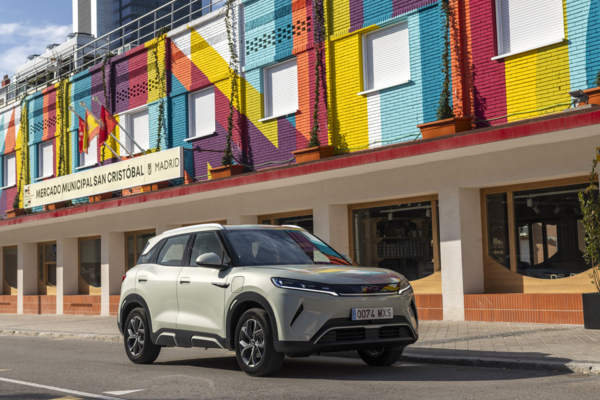
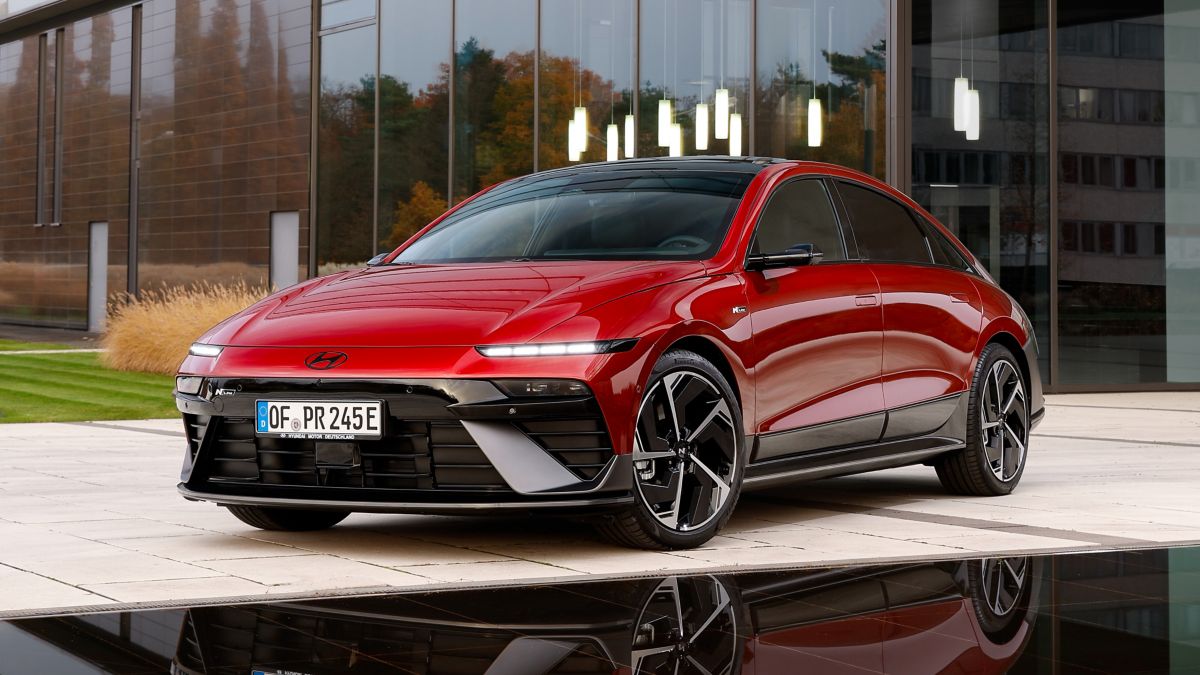
The Dacia Spring is currently the cheapest new electric car on my UK shortlist at £11,990, followed by the Leapmotor T03 at £13,795. That is a remarkable change from the days when buying an EV almost automatically meant spending well over £30,000, but the cheapest price is not necessarily the best value once range, charging, space and the way you actually use the car are taken into account.
I have pulled together six affordable EVs that are genuinely worth knowing about rather than simply ranking every model by the smallest number on a website. The prices below were checked on 30 October 2026 and some include manufacturer discounts or government grant support, so they should be treated as a current buying guide rather than permanent list prices.
What are the cheapest electric cars in the UK right now?
| Car | Current headline price | Official range |
| Dacia Spring | £11,990 | Up to 139 miles |
| Leapmotor T03 | £13,795 | Up to 171 miles |
| Fiat 500e | £17,245 | Up to 118 miles on the entry version |
| Citroën ë-C3 | £18,495 | Up to 132 miles on the Urban Range version |
| Hyundai IONIQ 3 | £18,495 | Up to 214 miles |
| BYD Dolphin Surf | £18,675 | Up to 137 miles on the entry version |
Those figures are useful for orientation, but they are not perfectly like-for-like. A manufacturer-funded discount is different from the government's Electric Car Grant, and the cheapest derivative often has a smaller battery than the version used in advertising for maximum range. Always compare the exact trim you are being quoted for.
Dacia Spring: the one that has reset the price floor
At £11,990, the Dacia Spring is difficult to ignore if you want a simple electric car for local journeys. The current 70hp MY26 version uses a 24.3kWh battery and offers up to 139 miles of official range, which is modest by modern EV standards but perfectly usable for school runs, commuting and shopping if you can charge regularly.
The important point is to buy it for what it is. This is not a small luxury EV pretending to be a motorway cruiser. It is light, simple and deliberately inexpensive, and that is exactly why it makes sense. As a second car or an urban runabout, I think the price is more significant than whether it can complete a 300-mile journey without stopping.
Leapmotor T03: more range for not much more money
The Leapmotor T03 is currently advertised at £13,795 after the brand's own £2,500 LEAP-GRANT saving, with up to 171 miles of official range. That puts it in an unusual position because it is still dramatically cheaper than most new cars, electric or otherwise, while offering enough range to make it more flexible than a pure city-only EV.
I would want to look carefully at dealer access and aftersales support in my area because Leapmotor is still a relatively new name in the UK, but the basic value argument is obvious. For somebody prepared to try a newer brand, it is one of the most interesting sub-£15,000 cars on sale.
Fiat 500e: the style-led choice
The Fiat 500e remains one of the easiest small EVs to understand. It looks good, is compact enough for city streets and comes from a brand with an established UK dealer network. The entry version's 118-mile official range is not huge, but the current grant-adjusted price brings it into a completely different conversation from where electric 500 pricing started.
I would choose it over the very cheapest alternatives if design, familiarity and urban usability mattered more than maximum range per pound. Just make sure the smaller battery fits your real journeys before being seduced by the price.
Citroën ë-C3: a small EV that feels more like a normal family car
The ë-C3 Urban Range is another example of manufacturers deliberately creating lower-cost battery options rather than insisting every EV needs 300 miles of range. At £18,495 after current support, it gives buyers a more conventional five-door supermini format and a comfortable, practical character.
The 132-mile official range on the Urban Range version is the trade-off. If you mainly charge at home and drive locally that may be more than enough; if the car will regularly do long motorway trips, I would compare the longer-range ë-C3 or a different model before ordering.
Hyundai IONIQ 3: the one I would investigate as a main car
On the current figures, the IONIQ 3 is particularly interesting because £18,495 and up to 214 miles of official range is a much more rounded combination than we are used to seeing below £20,000. It is the car in this list I would be most curious to investigate for a household wanting one affordable EV to cover a broader mix of journeys.
I would still look beyond the headline and check the exact specification, charging speed and delivery timing. A cheap EV only becomes good value when the version you can actually buy has the equipment and range you need.
BYD Dolphin Surf: a strong little EV with a bigger-range option
The entry Dolphin Surf sits at £18,675 and offers up to 137 miles of range, while more expensive versions stretch the battery and capability further. I have already spent time with the BYD Dolphin Surf, and its biggest strength is that it feels like a properly developed small electric car rather than a compromise built solely to hit a price.
The four-seat layout is worth knowing about because it immediately rules the car out for some households. If four seats are enough, however, the combination of equipment, design and BYD's battery experience makes it one of the more polished options at this end of the market.
Are these prices really comparable?
No, and that is one of the most important things to understand. The Dacia Spring's low price is supported by Dacia itself rather than the government grant, and Leapmotor uses its own LEAP-GRANT promotion. Other cars receive either the full or partial Electric Car Grant depending on the model and eligibility band.
That means a list of 'cheapest EVs' can change quickly when a promotion ends or the grant status changes. I would use the numbers to create a shortlist, then compare actual cash price, finance cost, insurance, home-charging access and expected depreciation before deciding which car is genuinely cheapest to own.
Which cheap electric car would I choose?
If I wanted the lowest-cost new EV for local use, I would start with the Dacia Spring because £11,990 is difficult to argue with. If I wanted something to act as the household's main car, the IONIQ 3's current combination of price and range is the one I would investigate first, while the Dolphin Surf remains one of the most convincing options I have actually spent time with.
The bigger story is that affordable EVs are no longer theoretical. We now have several new electric cars below £20,000, and that matters because price has consistently been one of the biggest barriers to EV adoption. The next challenge is making sure buyers can insure, charge and live with them just as easily as the petrol superminis they are replacing.