The Geely Starray EM-i Ultra is my pick if you will charge regularly because its 84-mile official electric range, 528-litre boot and £34,990 price create a particularly strong balance of everyday EV ability and long-distance petrol flexibility. The MG HS PHEV counters with up to 75 miles of electric range, while the JAECOO 7 SHS-P offers up to 56 miles plus DC rapid charging and a more distinctive SUV character.
This comparison also shows how quickly plug-in hybrids have changed. A few years ago, 25 or 30 electric miles looked respectable. These cars can cover many people's entire working week of local journeys with far less petrol, provided they are actually plugged in regularly.
Which has the longest electric range?
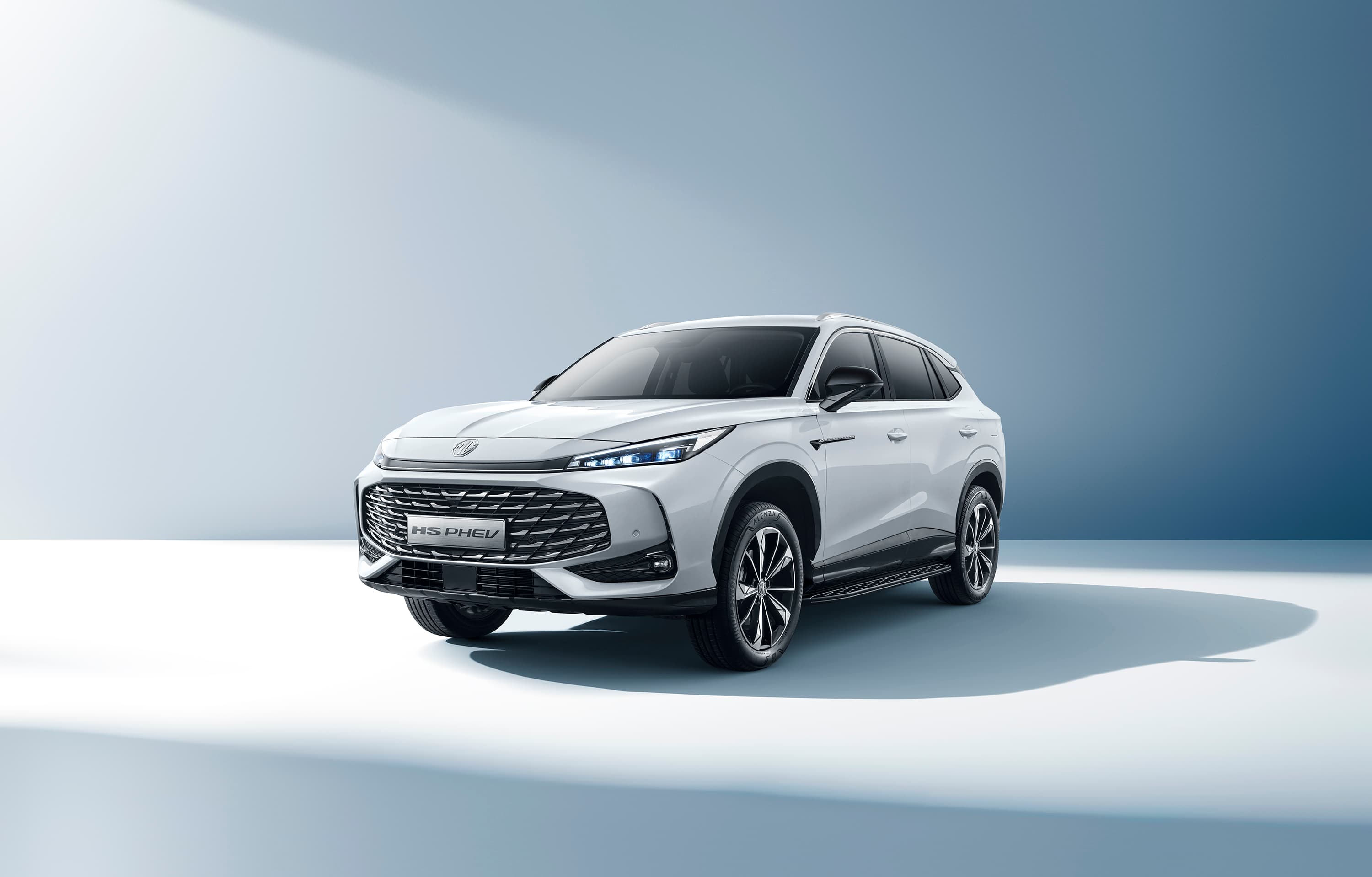
The Starray EM-i Ultra leads with up to 84 miles WLTP, while Geely's Pro and Max versions use a smaller battery and offer 51 miles. The MG HS PHEV offers up to 75 miles, and the JAECOO 7 SHS-P is rated at up to 56 miles.
That makes the exact Starray trim important. The entry model is very competitive on price, but the Ultra is the version that creates the strongest argument for using the car as an EV for most local driving.
What is the Geely Starray EM-i like to drive?
I have driven the Starray EM-i at its UK launch. My first impression was of a spacious, composed and well-finished family SUV with a smooth hybrid system rather than a car trying to feel overtly sporty.
I still want a longer test before giving a final verdict on real-world fuel economy and battery efficiency, which is why my Starray EM-i first-drive review remains deliberately clear about the limits of the experience. The initial product impression, though, was very credible.
Which is most practical?
The Starray has a 528-litre boot and 2,065 litres with the rear seats folded, giving it a strong family-car advantage. The MG HS is also a conventional five-seat family SUV with a useful luggage area, while the JAECOO 7 prioritises a chunkier, more upright SUV feel.
For me, practical differences such as rear-seat space, boot shape and door openings matter more than tiny differences in infotainment screen size. These are cars likely to carry children, luggage and shopping every day, so the best PHEV is the one that remains easy when the family is actually on board.
Which can rapid charge?
The Starray Ultra supports DC charging at up to 60kW, which is unusual and useful for a plug-in hybrid with such a large battery. The JAECOO 7 SHS-P also supports DC charging and can replenish a meaningful portion of its battery during a short stop.
The MG HS PHEV is better thought of as a car you charge at home or at a destination. Whether rapid charging matters depends on your routine, because a PHEV still has a petrol engine for long journeys and does not need to use public charging in the same way as a full EV.
Which is best value?
The Starray starts from £29,990 and rises to £34,990 for the long-range Ultra. That makes the entire line-up extremely competitive considering the amount of cabin space, technology and electric range being offered.
MG has also built its UK growth around strong value, and the HS remains one of the most established Chinese-owned family SUVs in Britain. JAECOO is newer, but it has expanded quickly and offers a long warranty plus a distinctive package that appeals to buyers who want something less familiar.
Which has the best UK support?
MG has the advantage of the longest established modern UK presence and a large dealer network. JAECOO and Geely are much newer, although both are investing heavily in retail, parts and technical support as their sales grow.
This matters enough that I would look beyond the warranty length. My guide to Chinese car reliability explains why parts supply, technician training and retailer coverage can be just as important as the number of years printed on the warranty certificate.
Which is best if you cannot charge every day?
If you rarely charge, none of these is being used in the way that makes a PHEV most attractive. Carrying a large battery around without replenishing it can leave you with a heavy petrol SUV and disappointing real-world fuel economy.
If regular charging is genuinely impossible, I would compare a conventional hybrid as well. Plug-in hybrids make most sense when home or workplace charging allows the battery to cover most local journeys and the petrol engine is reserved for the trips that exceed it.
What about company-car drivers?
Longer electric range and lower official CO2 emissions can make PHEVs attractive in company-car tax calculations, although a full EV still normally has the biggest Benefit in Kind advantage. The precise tax position depends on the derivative and tax year.
For anybody choosing a company car, I would compare the actual tax cost alongside fuel and charging access rather than focusing on the lease payment alone. A PHEV that you can charge daily can be a very different ownership proposition from the same car used mostly on petrol.
Which PHEV SUV would I choose?
I would currently put the Starray EM-i Ultra first because the 84-mile electric range genuinely changes how often the petrol engine should need to run, while the cabin and boot are strong enough for normal family use. The MG HS is the safer established-brand choice, and the JAECOO 7 remains appealing if you value its design and rapid-charging capability.
There is no reason to choose purely by badge here. All three are competing by offering more equipment and electric capability for the money than many established rivals, and the best one will depend on whether you prioritise maximum EV range, dealer familiarity or a more distinctive SUV experience.