The Dacia Bigster is one of the most convincing value-led family SUVs because it gives you a huge amount of space, useful hybrid options and sensible equipment without pretending to be a premium car. At £24,995 at launch, it brought proper family-SUV dimensions into a price bracket normally occupied by much smaller crossovers.
The thing I like most about the Bigster is how clearly Dacia understands its role. Plenty of brands start with a value proposition and then gradually add larger wheels, ambient lighting and expensive trim until the original point disappears. The Bigster is larger and more capable than the Duster, but the basic idea remains refreshingly simple: give families the space and equipment they actually need without making them pay for things they do not.
Design and first impressions
The Bigster looks exactly like a larger Dacia should. The body is upright, the wheelarches are chunky and the details are rugged without becoming cartoonish. It has enough presence to feel like a proper family SUV, but there is still a sense that every styling decision has been made with cost and durability in mind.
At 4,570mm long, it sits firmly in the C-SUV class and is noticeably larger than the Duster. The extra size is not simply cosmetic; it creates a cabin and boot that can handle the sort of family use buyers expect from a car in this category.
Inside the cabin
Dacia uses hard-wearing plastics and simple finishes quite openly, and I do not see that as a weakness. In a family SUV likely to deal with muddy shoes, shopping bags and daily abuse, robust materials can be more valuable than soft-touch trim that looks impressive in a showroom but adds cost.
The important equipment is there, including a 10.1-inch central touchscreen, digital instruments, parking assistance and dual-zone climate control from Expression. Higher trims add heated seats, a powered tailgate and panoramic roof, but I would be careful not to spend away the Bigster's core advantage simply because the options exist.
Space and practicality
The mild-hybrid version offers up to 677 litres of luggage space with the rear seats in use and as much as 1,977 litres with them folded. That is a genuinely useful amount of room, and the 40:20:40 rear bench makes it easier to carry longer items without sacrificing both outer rear seats.
The Bigster is only a five-seater, which may surprise some buyers given the exterior size, but that means the available room is concentrated on five occupants and their luggage rather than a cramped third row. If you genuinely need seven seats, this is the wrong Dacia; if you do not, the space available should be a major strength.
Engines and hybrid choices
The launch range included the 140hp front-wheel-drive mild hybrid, the 155hp full hybrid and a 130hp 4x4 mild hybrid. I would begin with the standard mild hybrid because it keeps the purchase price low and uses a straightforward six-speed manual gearbox, then move to the full hybrid if automatic driving and urban efficiency matter enough to justify the extra cost.
The mild hybrid produces 230Nm and reaches 62mph in 9.8 seconds, so it is not trying to be quick. That is entirely appropriate. The more important question is whether the engine still feels relaxed with passengers and luggage aboard, particularly on hills or when joining faster traffic.
Economy and towing
Dacia's technical data gives the mild-hybrid 140 52.3mpg WLTP combined and 122g/km CO2. The small 48V battery assists the petrol engine rather than allowing sustained electric-only driving, so expectations should be closer to an efficient petrol SUV than a full hybrid that can spend longer moving with the engine off.
The mild-hybrid 140 is rated to tow up to 1,000kg braked and 710kg unbraked, which is useful for lighter trailers but not enough for every caravan. Buyers purchasing specifically for towing should compare the loaded trailer weight against the exact derivative before assuming the Bigster is suitable.
What matters on the road
I have not driven this particular Bigster, so I would not pretend otherwise. The aspects I would focus on during a test drive are comfort over poor surfaces, engine refinement under load and visibility around town, because those are the areas that matter far more than outright handling in a large value-focused family SUV.
The Bigster's mission is not to entertain. It is to make daily family life easier and cheaper than most alternatives, and any road-test assessment should be judged through that lens.
Pricing and leasing
UK order books opened in March 2025 with the Expression mild hybrid 140 starting at £24,995, which put a genuinely large SUV into price territory occupied by much smaller cars. That is the headline that made the Bigster so interesting at launch.
Alternatives and verdict
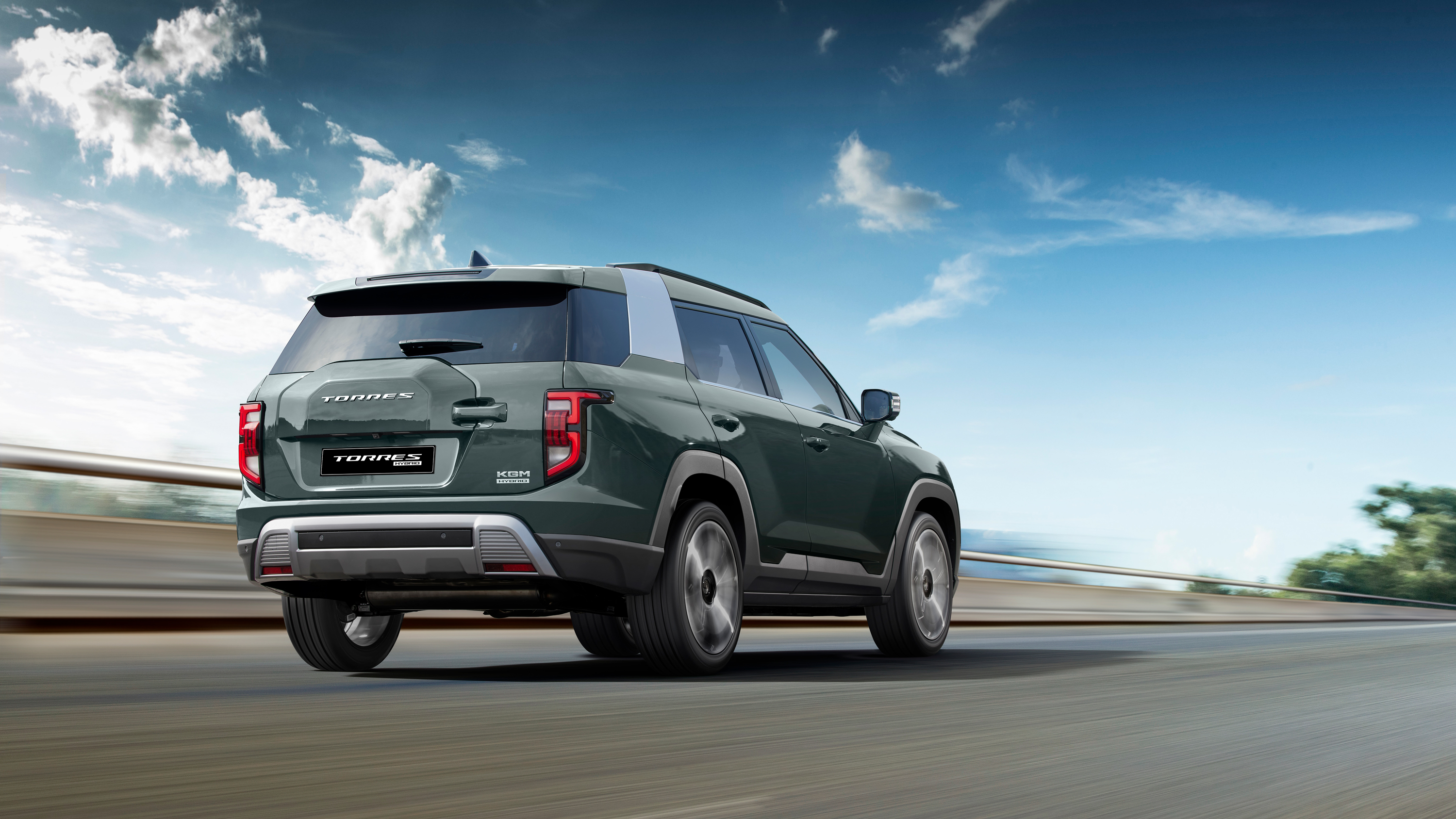
The Dacia Duster should be the first comparison because it may provide enough space for less money. The KGM Torres Hybrid is another space-led family option, while the Volkswagen Tiguan shows what spending considerably more can buy in refinement and powertrain choice.
The Bigster works because it understands its audience. It is not pretending to be a secret premium SUV; it is trying to give a normal family the room and equipment they actually need without turning a new-car purchase into a £40,000 commitment. If the five-seat layout works for you, that honesty is a major part of the appeal.