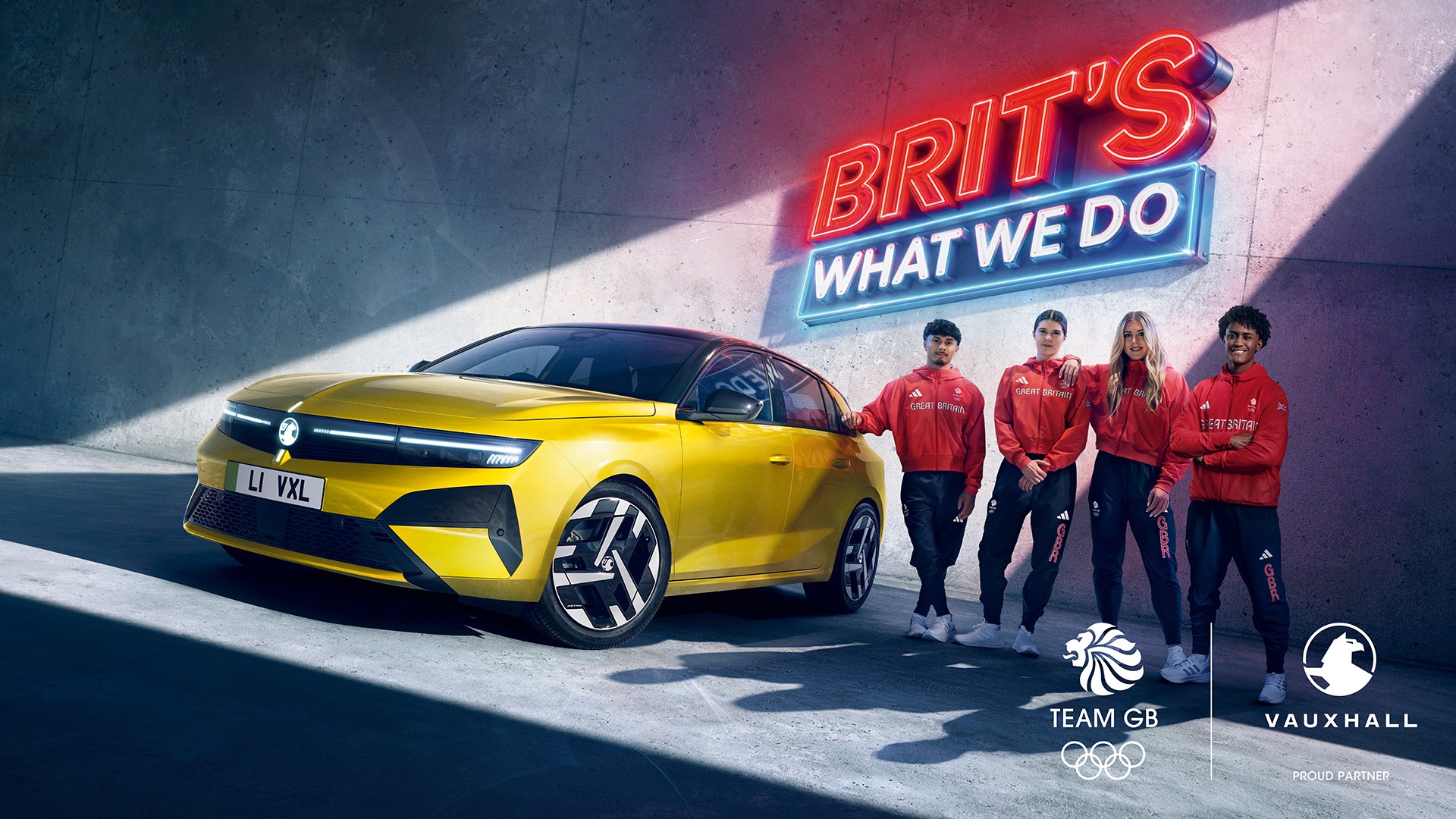
Vauxhall has launched a new advertising campaign called ‘Brit’s What We Do’, celebrating its British roots, its manufacturing history and its partnership with Team GB. It’s an interesting move for a manufacturer that has been part of British motoring for more than a century, particularly when the car industry feels more international than ever.
I’ve always found Vauxhall an interesting brand. It’s one of those names that almost everybody in Britain recognises, whether that’s because they learned to drive in a Corsa, had an Astra as a company car or remember when the Vectra seemed to be absolutely everywhere. The brand has been part of everyday British life for generations, although I do wonder how many younger buyers still associate Vauxhall with British manufacturing. That’s clearly something Vauxhall wants to address with its latest campaign, and I can see the thinking behind it.
Playing on our Britishness
The campaign launched on 2 November 2026, with 60-second and 30-second films featuring familiar moments from British life. There’s everything from the school run and a lollipop person to a slightly cheeky appearance from the Loch Ness Monster.
It’s quite a fun approach, and I think that’s important. Vauxhall could have gone down the predictable route of showing old cars, factories and black-and-white photographs while telling us how proud it is of its heritage. Instead, it has tried to make the brand feel relevant to Britain today.
Of course, you can’t really talk about Vauxhall’s Britishness without acknowledging that it’s now part of Stellantis, the enormous international automotive group that also owns Peugeot, Citroën and Fiat. But international ownership doesn’t erase a brand’s history, and Vauxhall still has a genuine manufacturing story to tell.
British manufacturing is still part of the story
Vauxhall began making cars in 1903, and more than 120 years later it continues to manufacture vehicles in Britain. The Combo Electric is built at Ellesmere Port in Cheshire, a factory Vauxhall describes as the UK’s first electric-only volume manufacturing plant. The campaign features the van wearing the official Made in Britain trademark, which gives the advertising something tangible to support its message.
I think that’s far more convincing than simply putting a Union Jack in an advert and hoping everybody feels patriotic. With the UK automotive industry facing considerable pressure, it’s good to see a manufacturer drawing attention to vehicles that are still being built here.
Team GB and the road to Los Angeles
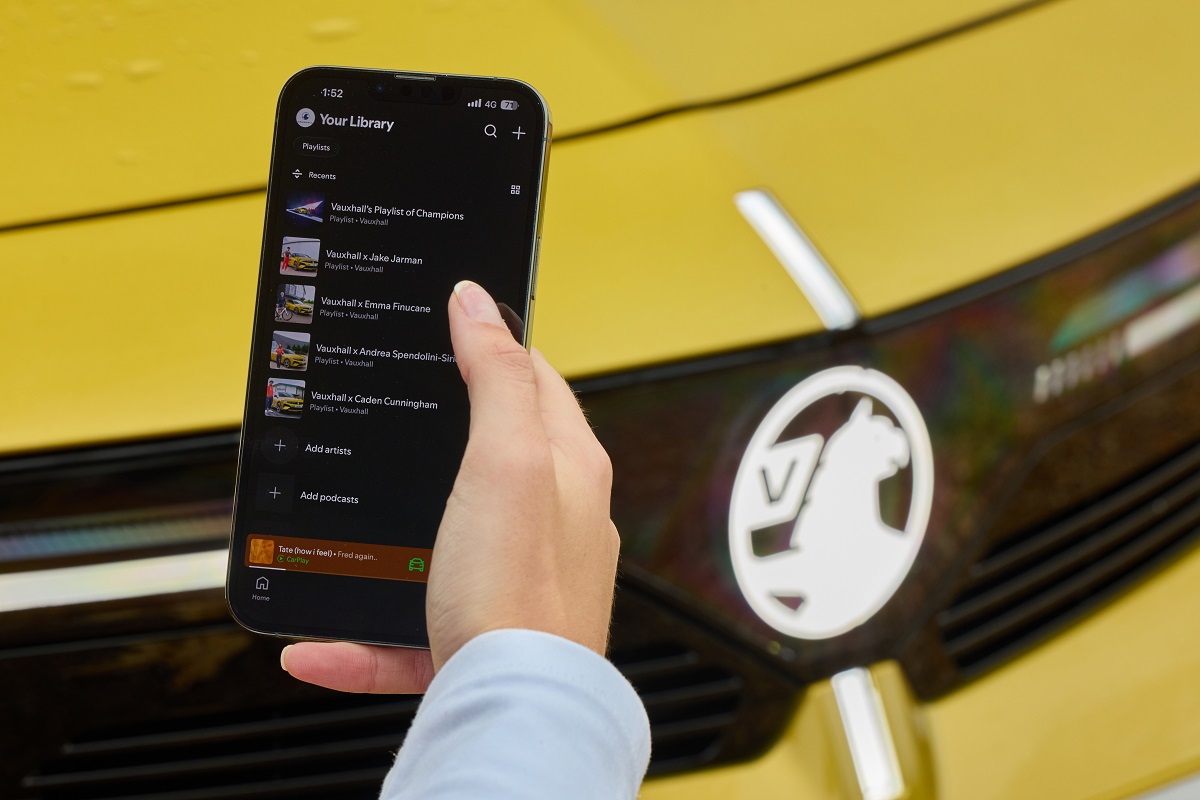
Vauxhall is also using its partnership with Team GB as a central part of the campaign, supporting British athletes ahead of the Los Angeles 2028 Olympic Games. Emma Finucane, Caden Cunningham, Jake Jarman and Andrea Spendolini-Sirieix are among the athletes featured.
I quite like this partnership. It gives Vauxhall a connection with a younger audience and some genuinely impressive British sporting talent. It’s also an opportunity to put the latest Astra in front of people who perhaps haven’t considered a Vauxhall for a while.
Will it actually make a difference?
From a marketing point of view, I think Vauxhall is making a sensible decision. The brand already has enormous recognition in Britain, and establishing an emotional connection with something familiar can be more effective than another advert about finance offers or touchscreen sizes.
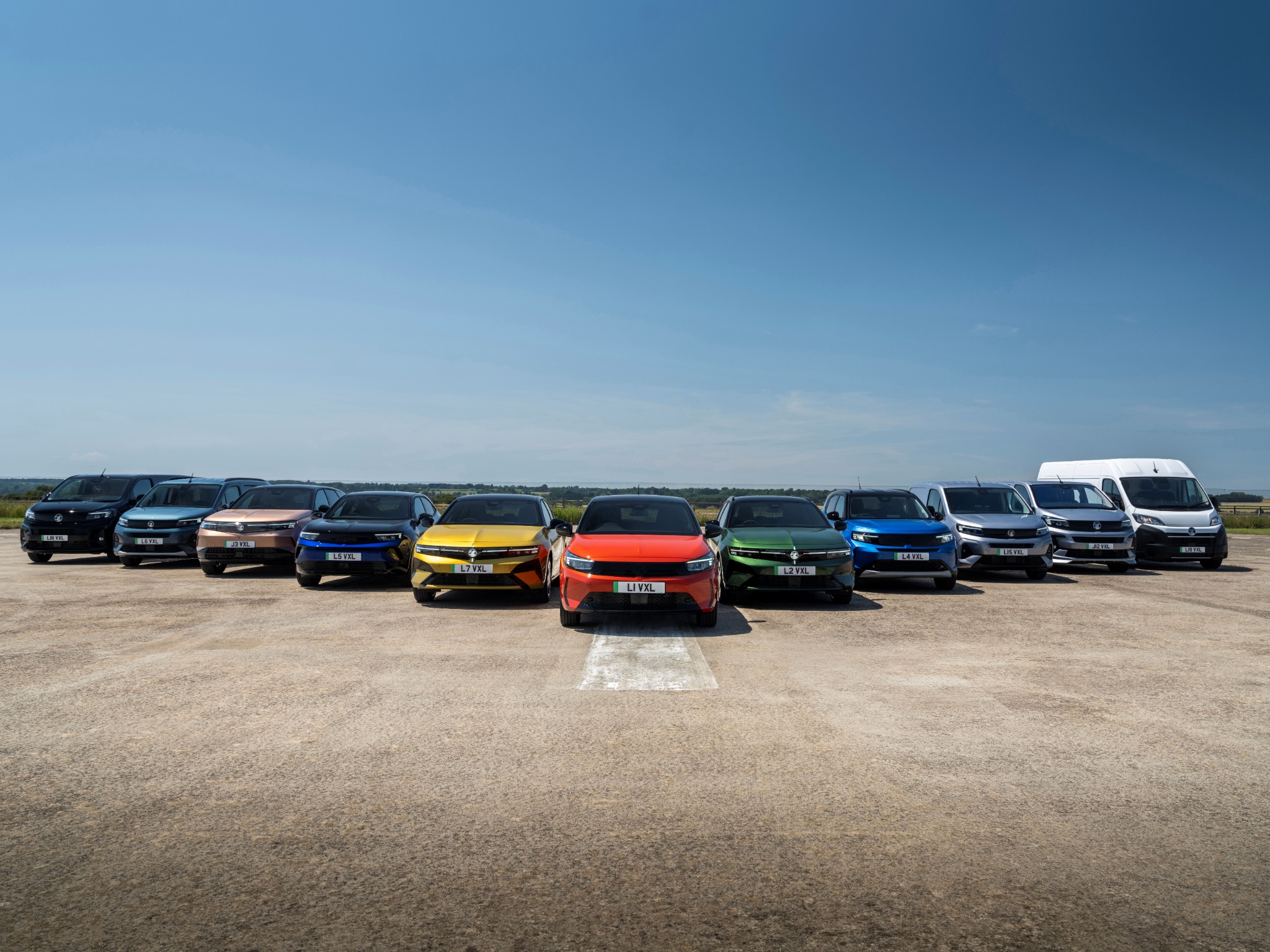
The challenge will be making sure the cars themselves live up to the advertising. British heritage might encourage somebody to take another look at an Astra or Corsa, but they’ll still make their buying decision based on the price, equipment, quality and how the car drives. With so many manufacturers competing for attention, particularly newer brands entering the UK, Vauxhall can’t afford to rely entirely on its history.
Still, I rather like seeing a familiar name celebrate where it came from. The campaign has a bit of humour, a genuine connection to British manufacturing and a sporting partnership that feels appropriate for the brand. Whether it convinces more people to visit a Vauxhall showroom remains to be seen, but at least it’s given them something more interesting to talk about than another monthly payment.
Source: Vauxhall's official campaign announcement, 2 November 2026.