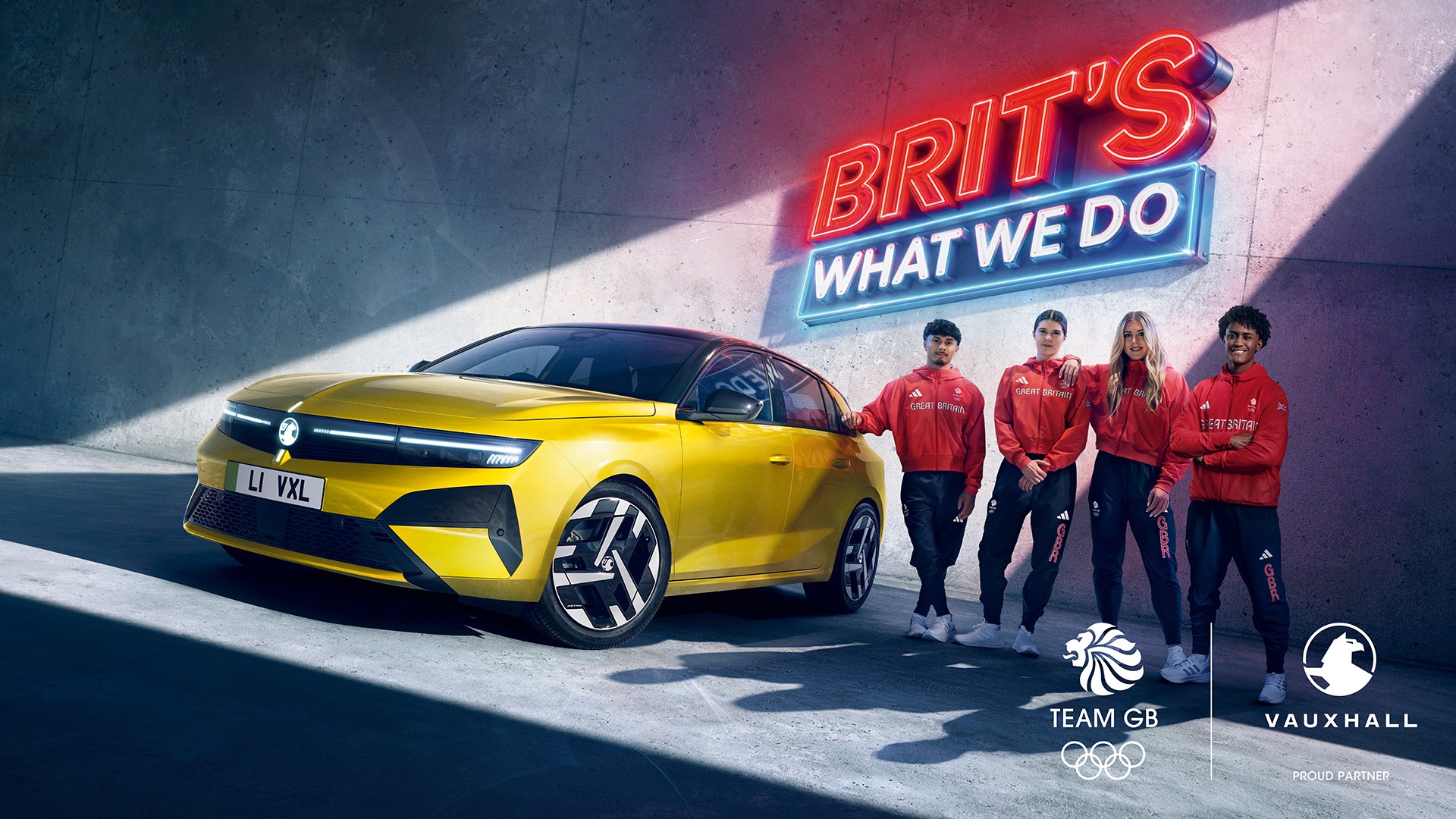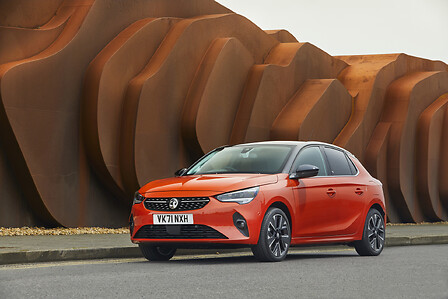
Vauxhall has passed 100,000 cumulative UK EV sales, with a Grandland Electric marking the milestone. That is a respectable achievement for a brand many people will associate with their first car, a family hatchback or the van parked outside a job. I think familiar names have a useful role in making electric motoring feel approachable.
There is a detail in the figures worth explaining before getting carried away. Vauxhall reports 102,852 EV sales by October 2026, but its historical table begins with the Ampera, which used a range-extender powertrain. I am therefore describing this as the manufacturer’s cumulative EV milestone. It should not be read as 100,000 sales in a single year, or as a clean historical total of battery-only vehicles.
Familiar cars can make a new powertrain less daunting
As a Tesla Model 3 owner, I am interested in how different manufacturers make the case for electric cars. Some buyers enjoy learning a new interface and trying a brand they have never owned before. Others would rather visit the retailer they already know and ask whether an electric version will suit them. Both are reasonable ways into an EV.
I think the industry sometimes underestimates the second group. A buyer does not need to be fascinated by battery technology to want a quieter commute or to prefer the look of a particular car. The job is to explain the practical differences well enough that they can make a comfortable decision.
The parking space is part of the buying decision
Vauxhall says more than 13,000 streets have been registered through its Electric Streets of Britain campaign as needing on-street charging. Those are registrations of demand, not 13,000 completed installations. The distinction is important, but the interest itself helps explain why charging has to remain part of the conversation.
Living in Brighton, I find the question of how people without a driveway fit charging into their week especially relevant. Before recommending an EV, I would want to understand where someone normally parks, which chargers they could realistically use and how much time that would add to their routine. A charger shown on a map is only useful if its location and availability work for you.
What would persuade the next buyer?
I would start with an ordinary week and then work through the journeys that cause concern. Where would the car charge after the commute? What happens if the usual bay is occupied? How would a longer trip fit around a stop? Clear answers to those questions will do more for confidence than another celebratory sales graphic.
The same applies to cost. I would compare a realistic charging routine with the alternatives, rather than assume everybody has access to the cheapest home tariff. Vauxhall has a milestone worth acknowledging; the useful test for its next customer is whether the car and the charging arrangements fit the life they already lead.
Source: official manufacturer announcement. Images: Vauxhall / Stellantis.