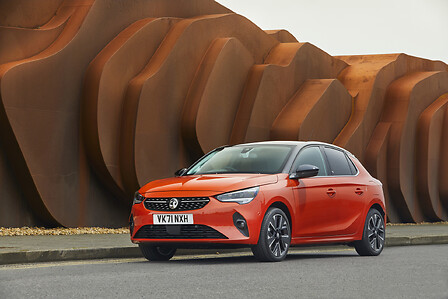
The Vauxhall Corsa is one of those cars that simply gets on with it. It does the commute, the weekend drive and everything in between, reliably, practically and without any fuss. Which is probably why most owners do not consider the decision as carefully as they should when the tyres need replacing.
Getting more years out of the car you already own means paying attention to everyday wear, including replacing Vauxhall Corsa tyres through Magowan Tyres when the time comes. Here are five mistakes worth knowing about before making that decision.
Choosing on Price Alone
It’s tempting to just get the cheapest tyre that fits and be done with it, especially when you’re replacing all four at once and the total is already racking up. However, the difference between a budget tyre and a quality mid-range or premium option shows up in real, practical ways on a car that is used as regularly as most Corsa’s are.
The most important thing is wet grip. Budget tyres are usually less competent than mid-range and premium tyres in wet braking tests to a large extent in an emergency stop scenario. That performance gap isn’t theoretical for a car doing school runs, commutes and longer journeys in UK weather. Independent tyre tests regularly show that the difference in stopping distance between budget and premium options in wet conditions can be several car lengths—which puts the price difference in a different perspective.
Another factor to think about is the life of the tyre. The budget tyre is seldom cheaper in the full replacement cycle than a quality alternative needing replacing a year sooner.
Ignoring the Correct Specification
The Vauxhall Corsa has been made over the years in several generations and the tyre sizes and specifications differ between them. The obvious part is getting the right size, but both the load index and the speed rating have to meet the manufacturers' minimum requirements, which are listed in the owner's manual and on the placard inside the driver's door frame.
Fitting a tyre with a lower load index or speed rating than specified is a safety issue, as well as a potential insurance issue. It's one that's easy to dismiss when shopping around mainly on price but it's one that matters from mile one the new tyres are on the car. It takes a few minutes to check that you have the right specification before you buy, removing any uncertainty and making sure the tyres are actually suitable for the car.
Not Checking Alignment Before Fitting
If the old tyres on the Vauxhall Corsa were wearing unevenly, that pattern isn’t random. It's almost always pointing to a wheel alignment issue that the new tyres will inherit if it isn't corrected first.
Fitting new tyres without addressing the alignment means the same wear pattern develops on the new set from the first mile, effectively shortening their life and reducing the value of the replacement. Getting alignment checked at the same time as the tyre replacement adds a modest cost and protects the investment in the new tyres across their full lifespan.
Replacing Only the Most Worn Tyre
The instinct when one tyre is clearly worse than the others is to replace just that one. It's the cheaper option in the short term, but fitting a brand-new tyre alongside one that's significantly more worn creates a handling imbalance on the same axle that affects how the car brakes and corners. The difference in grip between a new tyre and a worn one on the same axle can also affect how ABS responds during braking.
Where budget is the constraint and replacing in pairs isn't immediately possible, the standard guidance is to fit the new tyres to the rear axle and move the better-condition rear tyres to the front, placing the newer grip where it contributes most to overall stability. If all four tyres are at a similar point in their wear, replacing the full set at once is better value per tyre than two separate purchases within a short space of time, and provides the most consistent handling across the car.
Waiting Too Long to Replace
This is the most common mistake and the one that tends to have the most practical consequences. Running Vauxhall Corsa tyres down to the legal minimum of 1.6mm means driving on tyres that have already lost a significant proportion of their wet weather grip. The difference in braking performance between a tyre at 3mm and one at 1.6mm in wet conditions is measurable and meaningful, and for a car covering regular mileage in all weathers, that safety margin matters.
Replacing at 3mm rather than pushing to the legal limit also means the decision can be made with time to spare. There's room to compare options properly, book a convenient appointment, and avoid being rushed by a tyre that's already at the limit. A reactive replacement at the last possible moment tends to involve more stress and less considered decision-making than one planned a few weeks ahead, and the result is usually a better purchase too.
The Corsa is a car that rewards being looked after. Getting the tyre choice right is one of the more straightforward ways to keep it driving well and lasting longer without a complicated or expensive intervention.


