The Grandfather of EVs Gets a Second Youth
If you were to look back at the history of the electric car in Britain, the Nissan Leaf would be on the first page. For years, it was the only sensible choice for anyone wanting to ditch the petrol pump. But let’s be honest: in recent years, the old Leaf was starting to feel its age. It had the range of a budget smartphone and a charging plug, the CHAdeMO, that was becoming the Betamax of the automotive world.
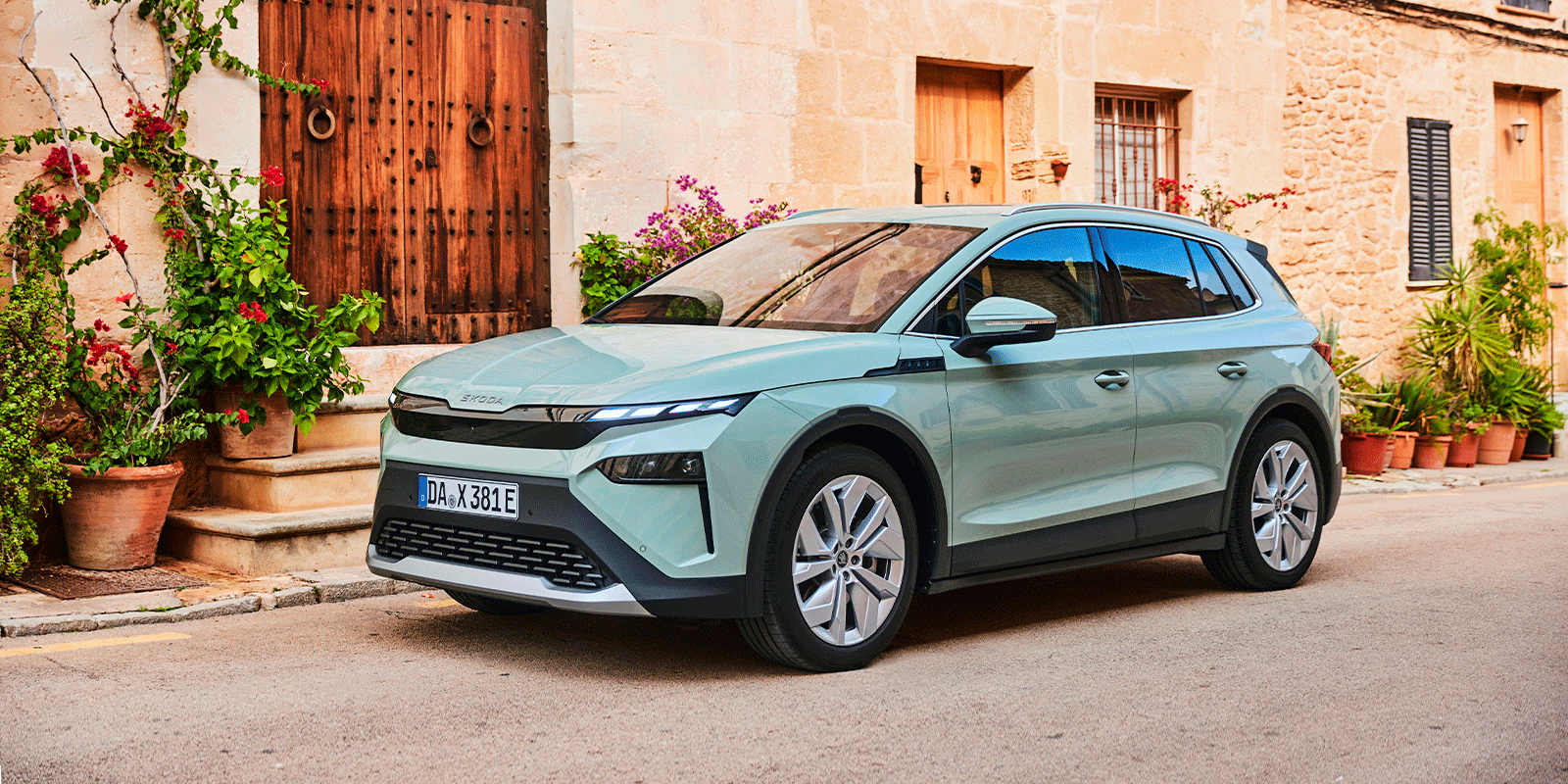
Fast forward to 2026, and Nissan has clearly been listening. The all-new, British-built Leaf isn't just a facelift; it’s a total reimagining. It has morphed from a slightly bug-eyed hatchback into a sleek, sophisticated crossover. It's taller, wider, and infinitely more confident. And crucially, it’s still built in Sunderland, which means we can claim it as one of our own.
The Drive: Smoothness is the Name of the Game
Nissan has wisely avoided the trap of trying to make the Leaf a sports car. Instead, they’ve focused on what actually matters on a rainy Tuesday in Milton Keynes: comfort. The suspension is remarkably supple, soaking up the kind of potholes that would make a German rival wince. It’s quiet, too. Nissan has gone to town on the soundproofing, meaning motorway hauls at 70mph are conducted in near-silence, save for a bit of wind whistle from the wing mirrors.
The headline act, however, is the battery. With a maximum range of 387 miles, the Leaf has moved from being a 'second car' to a genuine primary vehicle. Even in the depths of a British winter, you should realistically see over 300 miles. The e-Pedal is back and better than ever, allowing you to drive almost entirely with one foot, which is a godsend in stop-start traffic on the M25.
Interior & Practicality: A Tech Revolution
Step inside, and you’ll find an interior that finally matches the price tag. The old 'piano black' plastics that scratched if you looked at them too hard have been replaced with recycled fabrics and soft-touch materials. It feels 'premium-lite' - not quite a Bentley, but certainly more inviting than a Volkswagen ID.3.
The infotainment system is a revelation compared to the previous generation. It’s crisp, responsive, and (thankfully) retains physical dials for the climate control. No more diving through three menus just to defrost the windscreen. Practicality-wise, the move to a crossover body style has paid dividends. The boot is a healthy 490 litres, and there’s enough legroom in the back for two lanky teenagers to sit without complaining - well, without complaining about the car, at least.
Running Costs: The Sunderland Advantage
Because it’s built here, parts availability should remain excellent, and insurance groups are competitive. For company car drivers, the 2% Benefit-in-Kind (BiK) rate remains a massive draw, potentially saving you thousands a year compared to a diesel SUV. Charging is now via the industry-standard CCS port, and with 150kW rapid charging, you can top up from 10% to 80% in about 30 minutes. It’s not the fastest in the world, but it’s fast enough for a coffee and a sandwich at the services.
Verdict: The King Reclaims the Throne
The 2026 Nissan Leaf is a triumph of common sense. It doesn't try to reinvent the wheel; it just makes the wheel much better to live with. It’s comfortable, exceptionally well-built, and offers a range that finally kills off 'range anxiety' for good. If you want a car that’s easy to live with, cheap to run, and supports British manufacturing, this is arguably the best EV on the market today. Nissan hasn't just updated a legend; they've perfected it.