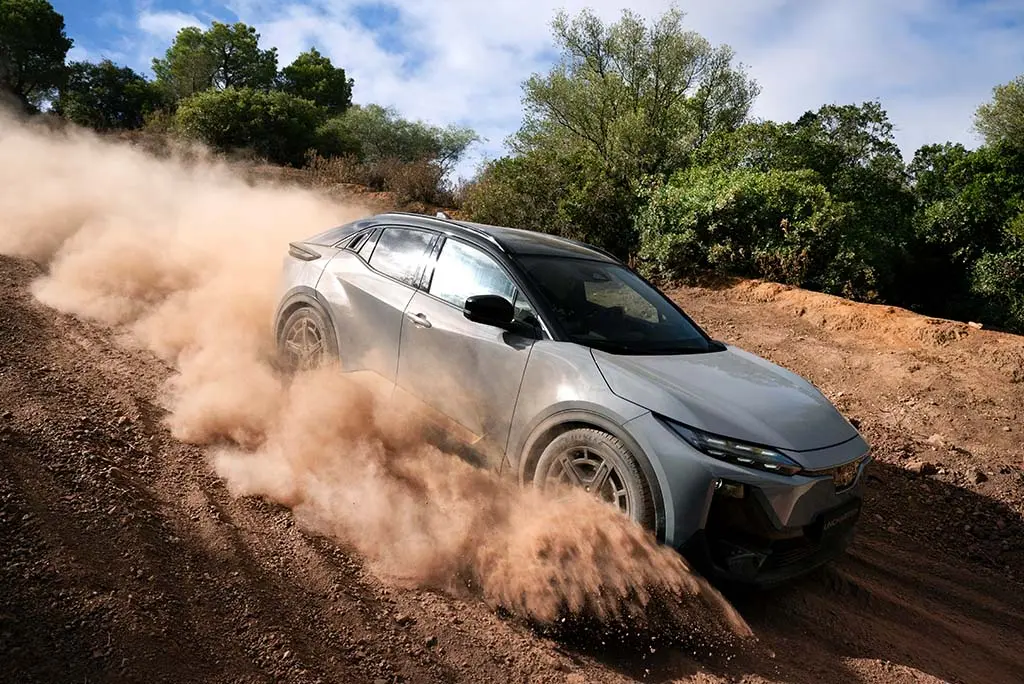
Who should consider the new Subaru Forester?
The Forester makes most sense for buyers whose normal life includes rural roads, awkward access and a need for all-wheel drive. Its practical format is appealing, but the UK hybrid's official economy and performance figures do not make it the obvious choice for someone who simply wants a fashionable family SUV.
I have more time for a car designed around a recognisable job than one trying to be everything. The Forester's job is fairly clear. The challenge for a buyer is deciding whether that is also their job description.
What does the UK e-BOXER specification offer?
The UK car combines a 2.0-litre petrol hybrid system, Lineartronic automatic transmission and all-wheel drive. Subaru lists 0–62mph in 12.2 seconds and 34.9mpg WLTP combined.
Those figures are worth reading before getting carried away by the word hybrid. Electrification describes a system; it does not guarantee exceptional fuel economy. I would compare expected annual fuel costs against alternatives using the same mileage and realistic assumptions.
For performance, the important question is whether it feels sufficiently responsive when loaded. A family car should be assessed with its intended use in mind, including hills and joining faster roads. Do not substitute a specification from a different overseas Forester for the UK model.
Why might its all-wheel drive matter?
If you regularly encounter muddy access, steep rural drives or loose surfaces, the drivetrain has a practical reason to be there. If the car spends almost all its time on paved urban roads, you may be paying for something you seldom use.
Traction is also only one part of the picture. Tyres, clearance, visibility and the driver's decisions still matter. Four-wheel drive does not remove the need to slow down in poor conditions, nor does it turn every rough track into a suitable route.
Is it useful for family belongings and towing?
Subaru lists a 508-litre boot with the seats raised and a maximum braked towing capacity of 1,870kg. Check the actual loaded trailer, vehicle loading and towbar limits before choosing it for a towing job.
I would assess the boot by shape and access as well as volume. Can the dog crate fit without blocking the view? Can the pushchair go in without an elaborate folding routine? Is the load height manageable for the person who uses it most?
Bring the regular passengers too. Rear access and the view out can matter as much to family comfort as an impressive central screen.
Does the price make sense?
The UK model page lists the range from £39,995. That puts it in a comparison with a wide selection of family cars, so the capability needs to be something you value.
I would start with the entry specification and identify what the higher trims add for your use. Then include servicing location, insurance and running costs. A car intended to cope with life away from major towns is more useful when routine support is convenient as well.
What are the alternatives and my verdict?
The Dacia Duster is worth considering if a smaller and less expensive SUV can meet the need. The KGM Torres Hybrid offers a different space-led approach, while the Volkswagen Tiguan PHEV suits a different brief when charging is available.
The Forester earns its shortlist place through a particular combination of body style and capability. I would choose it because those qualities solve an everyday problem, not because hybrid is written on the specification.
For mainly urban use, I would compare more economical alternatives carefully. For rural family life, it remains a relevant proposition, provided the performance, fuel budget and actual towing requirements line up.
Sources and author
By Ben Freakley. Editorial assessment using Subaru UK's Forester specification and pricing, checked 21 October 2026. Official Subaru 2025-generation image. More Subaru coverage.