The Lexus LBX makes most sense as a genuinely small premium car rather than a shrunken family SUV. It combines the refinement and hybrid efficiency people expect from Lexus with compact dimensions and a £29,995 launch price, although the modest rear space and 332-litre boot mean buyers need to be realistic about how much practicality they actually require.
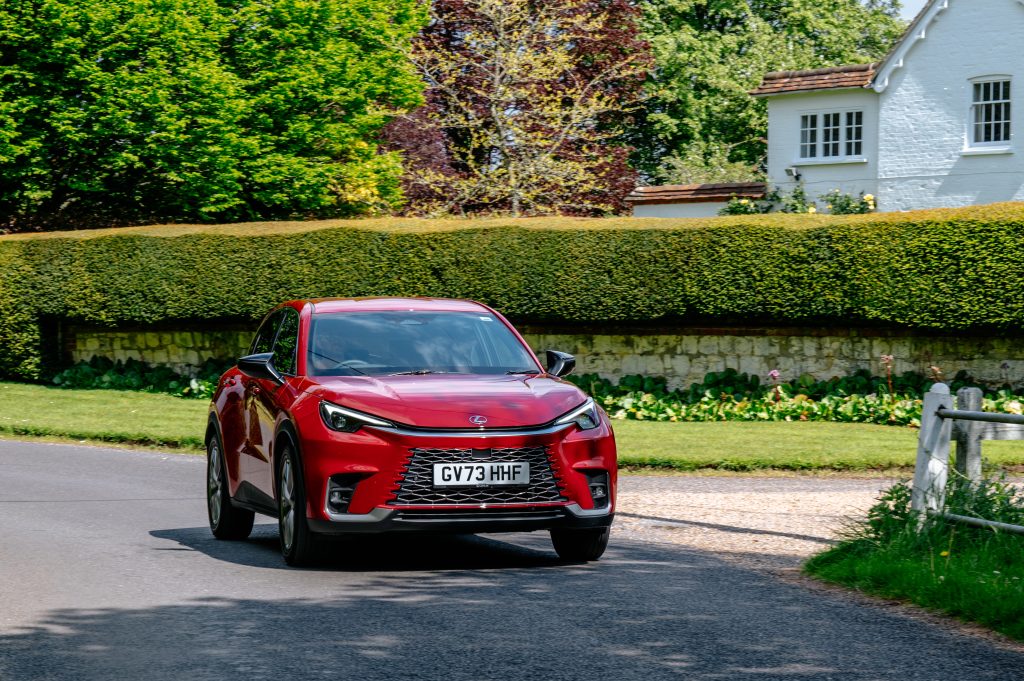
The LBX is interesting because it does not try to compete with larger SUVs on sheer space. At 4.19 metres long, it is closer in footprint to a supermini than an NX, and Lexus has concentrated on making that smaller package feel more polished and more mature than the average compact crossover.
Design and first impressions
The styling is restrained by Lexus standards, which I think suits the car. The spindle-inspired front treatment is still recognisable, but the proportions are cleaner and less aggressive than some larger models, helping the LBX look expensive without appearing overdesigned.
It also feels genuinely compact, which is increasingly unusual in a market where supposedly small SUVs have grown close to family-car dimensions. For urban use, narrow roads and parking, that is a real advantage rather than something to apologise for.
Inside the cabin
The interior is where the LBX has the best opportunity to justify the premium. The materials feel more carefully chosen than in many mainstream small crossovers, the dashboard design is calmer and the overall ambience is closer to a larger Lexus than the exterior size might suggest.
I would still be disciplined with trim. Urban launched at £29,995 and Premium at £32,495, while higher specifications moved much further up the price ladder. The basic hybrid system already provides the useful part of the car, so spending thousands more should buy features you genuinely value rather than simply a more expensive version of the same compact footprint.
Space and practicality
The front-wheel-drive LBX offers up to 332 litres of luggage space with the rear seats in use and 994 litres with them folded. That is enough for normal shopping and everyday use, but it is noticeably smaller than many conventional compact SUVs.
The rear seats are another area to check carefully if adults regularly travel with you. The 2,580mm wheelbase is generous for the overall length, but the LBX remains a small car, and I would not pay premium money until the people who actually use the back had confirmed the space works for them.
Hybrid system and economy
The front-wheel-drive LBX combines a 1.5-litre three-cylinder petrol engine with an electric motor for 136hp of total system output. Lexus quotes 61.4 to 62.7mpg WLTP depending on specification, with CO2 emissions from 102 to 108g/km.
You never plug it in, which keeps ownership simple for drivers without home charging. The hybrid system is particularly well suited to urban and suburban use where it can recover energy under braking and spend more time using electric assistance at lower speeds.
Performance and refinement
The front-wheel-drive car reaches 62mph in 9.2 seconds and tops out at 106mph. That is perfectly adequate for the brief, and I would much rather Lexus prioritise low-speed smoothness and refinement than chase a performance figure with little relevance to the way most LBXs will be used.
I have not driven this particular LBX, so I would not present independent launch reviews as my own. The general consensus was positive about comfort and cabin refinement, while the three-cylinder engine becomes more noticeable under hard acceleration. That makes a faster-road test important because a quiet urban loop tells you very little about how the powertrain behaves when it is working harder.
Towing and ownership
The front-wheel-drive LBX is rated to tow up to 750kg braked and 650kg unbraked, which is enough for a small trailer rather than serious caravan duty. That suits the car's compact, efficient character.
Lexus also has a strong ownership reputation and its Relax warranty programme can extend cover when the car is serviced within the manufacturer's terms. That sort of aftersales proposition matters in a premium small car because the buyer is paying for more than simply the equipment list.
Leasing and alternatives
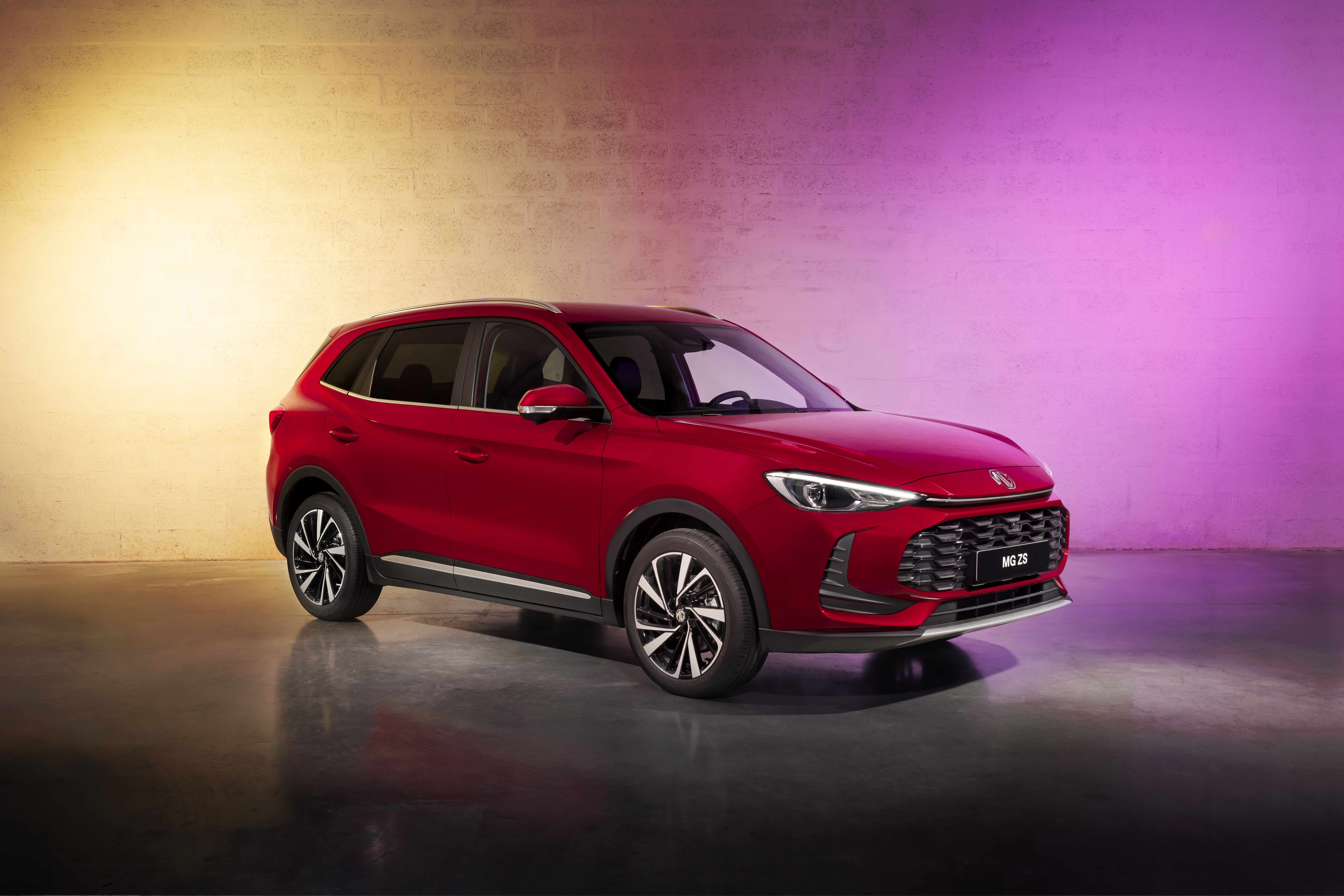
The Alfa Romeo Junior Ibrida is a more extrovert small-hybrid alternative, while the MG ZS Hybrid+ gives you substantially more space and power for less money. That comparison is useful because it clarifies what the Lexus premium is actually buying: refinement, compactness and perceived quality rather than sheer quantity of car.
Verdict
The LBX is easy to understand once you stop judging it as a conventional family SUV. It is compact, efficient and more polished than most small crossovers, with a hybrid system that suits the short and mixed journeys many owners will actually make.
I would choose a relatively modest front-wheel-drive trim, keep the lease price under control and make sure the rear space genuinely suits your needs. If it does, the LBX offers something relatively rare: a premium car that is genuinely small rather than simply described as compact.