If your electric Volkswagen suddenly refuses to charge beyond 80%, it might simply be the usual battery-care setting. But for some UK owners, there's a more serious reason: Volkswagen Group is preparing a safety recall over concerns that certain high-voltage batteries could overheat when charged above that level.
Reports suggest around 5,000 vehicles in the UK are affected. Volkswagen has already restricted the maximum charge on many of them remotely while it arranges checks. It's an important precaution, particularly if you rely on the extra range for longer journeys, but it doesn't mean every Volkswagen electric car is at risk.
Which Volkswagen electric cars are affected?
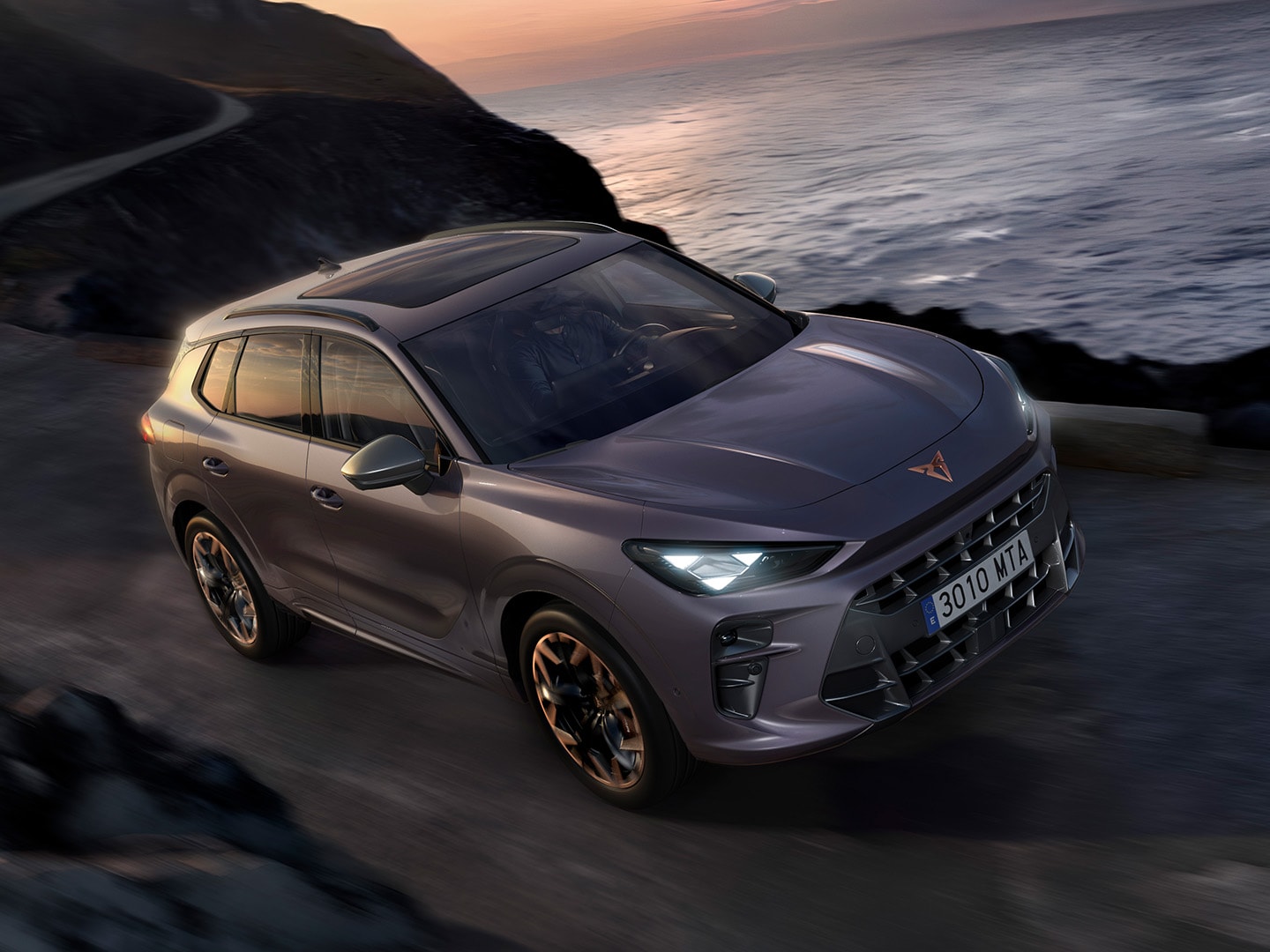
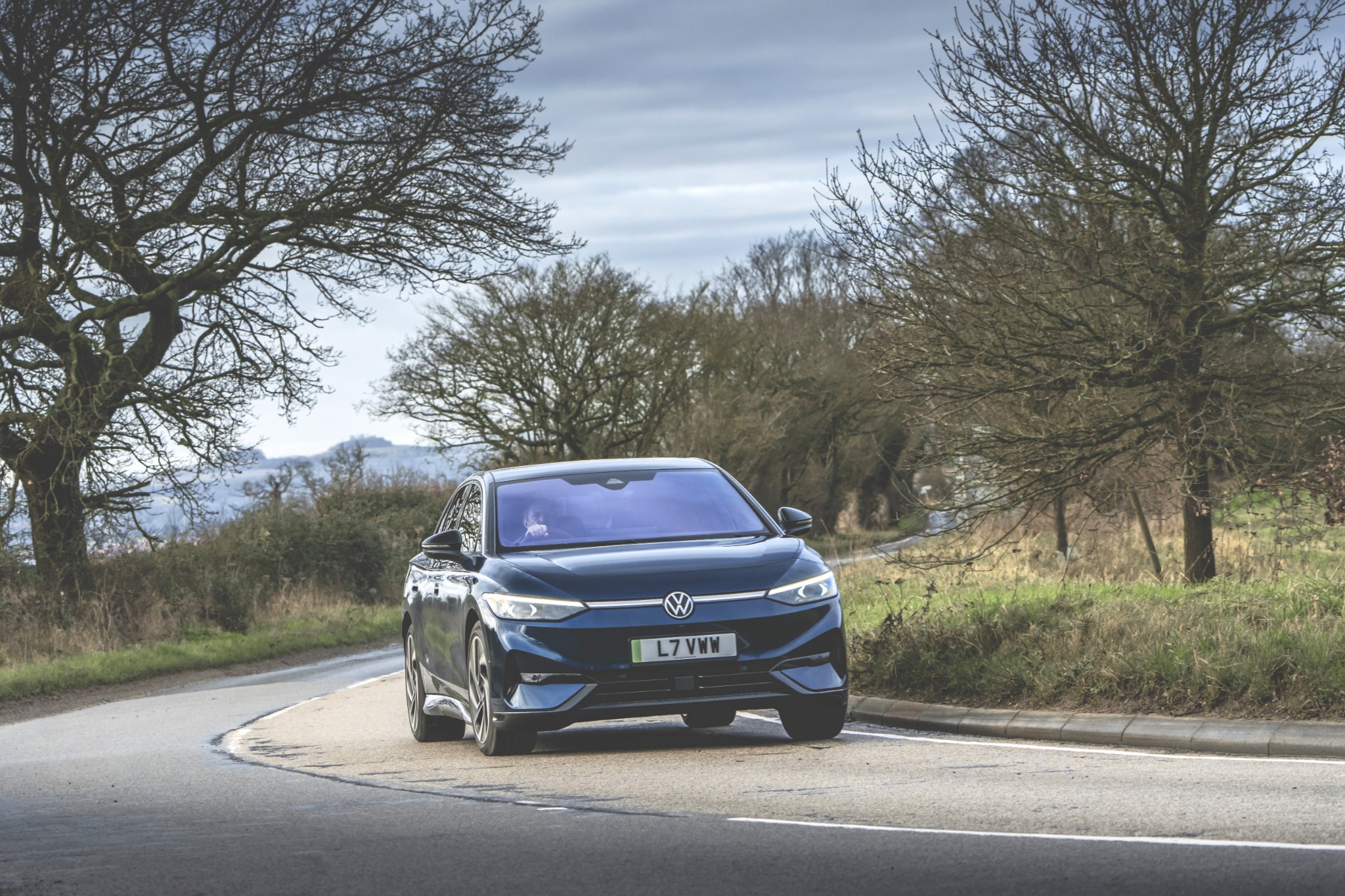
The issue concerns selected vehicles built between 2022 and 2025 with high-voltage batteries from a particular supplier. Volkswagen's UK recall guidance specifically names the ID.3, ID.4 and ID.7. UK reporting also identifies some ID. Buzz models, including the Cargo, and the CUPRA Born as part of the wider Volkswagen Group action.
That doesn't mean every example of those models is being recalled. The supplier and battery fitted to an individual car matter, so model year alone isn't enough to tell you whether yours is affected. If you're unsure, check your registration with the DVSA and ask your Volkswagen or CUPRA retailer to check the vehicle identification number (VIN).
Why is Volkswagen limiting charging to 80%?
Volkswagen says some battery components may not meet its quality standards. At a high state of charge, the battery could overheat and, in rare circumstances, create a fire risk. The company says there have been no confirmed cases of personal injury, although there have been individual cases involving property damage.
The temporary 80% limit reduces the load on the battery until the vehicle can be assessed. Many cars have already received the restriction over the air. If yours is affected and the limit hasn't appeared automatically, Volkswagen says you must enable Battery Care Mode yourself, either through the app or the car's charging settings.
There's an obvious inconvenience here. Charging to 80% instead of 100% means giving up roughly a fifth of the battery's maximum available charge for a journey starting from full. The actual number of miles you lose depends on the model, weather and driving conditions. For somebody who normally charges to 80% anyway, day-to-day driving may feel much the same. For an ID.7 driver planning a long motorway trip, that missing buffer could make a noticeable difference.
What should you do if you own one?
Start with the official UK vehicle recall checker, which lets you check a car using its registration. You can also contact your supplying dealer with the VIN. Don't assume that the absence of a warning light means the battery is unaffected, because Volkswagen says the potential problem isn't necessarily something a driver can recognise.
If your car is covered, follow the manufacturer's instructions and keep the charging limit at 80% until you're told otherwise. Don't try to bypass a restriction to get extra range. Volkswagen says it will write to affected owners with the next steps, which may include a visit to a retailer for a battery inspection. If you lease the car or drive it through a company scheme, I'd also inform your leasing provider or fleet manager so they know about the recall and any change to your usual range.
Can you still drive it? The manufacturer's recall instructions for the affected vehicle are what matter. The temporary charging cap is intended to reduce risk while checks are arranged, but if your individual notice tells you not to drive or gives further precautions, follow those instructions instead. In the unlikely event of a fire, Volkswagen advises stopping immediately, getting everyone out and contacting the emergency services.
When will the problem be fixed?
There's no firm UK completion date published for the whole campaign. Volkswagen says some cars will need a physical battery check, while others may be dealt with through a software-based measure. Reported workshop checks can lead to battery-module replacement where necessary. As with other manufacturer safety recalls, owners should not normally have to pay for the recall work.
My view: the charging cap is sensible, but owners need answers
There's a tendency for any headline mentioning electric cars and fire to turn into a much bigger argument about whether EVs are safe. I'd rather concentrate on the people actually driving these cars. Volkswagen has identified a specific concern and is taking precautions, which is exactly what a manufacturer ought to do when a safety issue comes to light.
What I'd want as an owner is a clear answer about whether my car is involved, how quickly it can be checked and when I can use its full battery capacity again. An 80% charging limit is manageable for plenty of journeys, but it isn't a small matter if you've bought or leased an electric car partly for its long-distance ability. Until those checks are complete, the sensible course is to stick to the limit and make sure your dealer has up-to-date contact details.
Information checked on 9 November 2026. For the latest instructions, use Volkswagen's recall notice and the DVSA recall checker. This article follows reporting by Fleet News and Autocar.