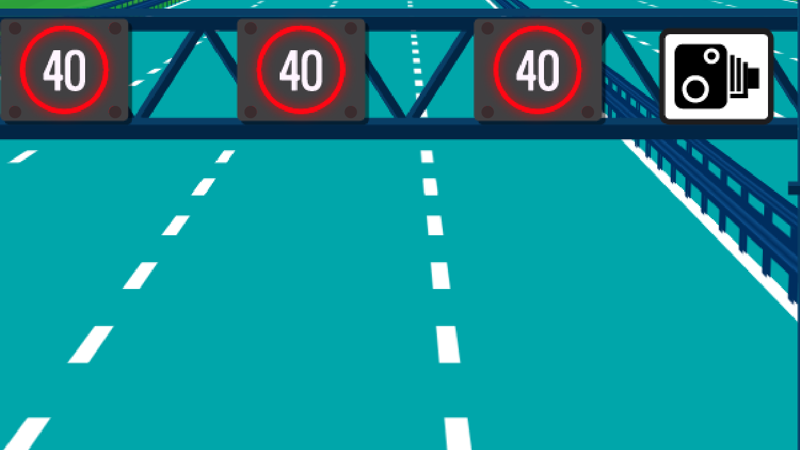
Few letters through the post are quite as unwelcome as a speeding notice, especially if you are convinced the overhead motorway signs showed a different limit at the time. For a small number of drivers, that concern has proved justified. A fault affecting some variable speed cameras on England's motorways has led to incorrect camera activations, and the Government has now revealed another potential problem with the same system.
On 17 November 2026, the Department for Transport confirmed that the Home Office had revoked the affected camera system's type approval after further testing. National Highways is also ending its enforcement contract with supplier Verra Mobility. It is a significant development, but it does not mean motorway speed limits have been scrapped or that every speeding ticket is invalid.
What went wrong with the motorway speed cameras?
The original problem concerned a mismatch between electronic variable speed limit signs and certain enforcement cameras. Under specific circumstances, a camera might continue using an earlier speed limit after the gantry display had changed, potentially recording a driver as speeding when the displayed limit had already increased. There were also concerns that motorists might not have had adequate time to react to a newly lowered limit.
The affected equipment is the HADECS3X camera system used at some motorway and A-road sites, not every roadside camera in the country. The independent Westall Review identified 154 affected cameras across 22 police force areas, with around 2,650 erroneous camera activations between 2021 and 2025. That figure is important: an activation is not necessarily a fine, prosecution or penalty points.
Further testing found another possible issue with how those cameras activate in particularly unusual circumstances. National Highways says there is no real-world evidence that this latest potential defect has affected enforcement, and estimates the relevant circumstances are extremely rare. Nevertheless, the Home Office judged that it could not retain the system's approval with that uncertainty unresolved.
Can I appeal a speeding fine because of the camera fault?
Potentially, but this is not a blanket cancellation of fines. The issue relates to particular equipment, locations and circumstances. National Highways and police forces have already been working to identify people affected by the original error and offer appropriate redress. The Government says everyone it has been able to identify and contact has been offered that opportunity, and the process will continue where further eligible cases are identified.
If you received a speeding notice involving a variable speed limit on a motorway or major A-road, look closely at the location, time, displayed limit and any evidence you have. Keep the original letter, reference number and any dashcam recording. Check the Government's official variable speed camera guidance for the current position and contact the police force or ticket office named on your notice if you think you may have been affected.
Crucially, do not ignore a Notice of Intended Prosecution or a request for driver details while you investigate. Those notices have legal deadlines, and the camera issue does not automatically suspend them. If a case has already resulted in a conviction, points or a fine and you believe it was wrong, seek case-specific advice on the available review or appeal process.
Are smart motorway speed cameras still working?
Speed limits remain enforceable. The withdrawn approval concerns the affected camera system, while other methods, including average-speed enforcement, mobile cameras and police patrols, remain in use. Variable speed limit signs continue to apply. The Government has also increased monitoring at the affected sites.
My concern is less about whether an individual motorist might have got away with a fine and more about confidence in a system that should be beyond reasonable doubt. Drivers need to trust that a limit displayed above the road is the same limit the enforcement equipment is using. The independent review is a useful starting point, but the real test will be whether National Highways and its partners fix the weaknesses in oversight that allowed this to happen.
For the latest factual position, see the Department for Transport's 17 November statement and the independent Westall Review.